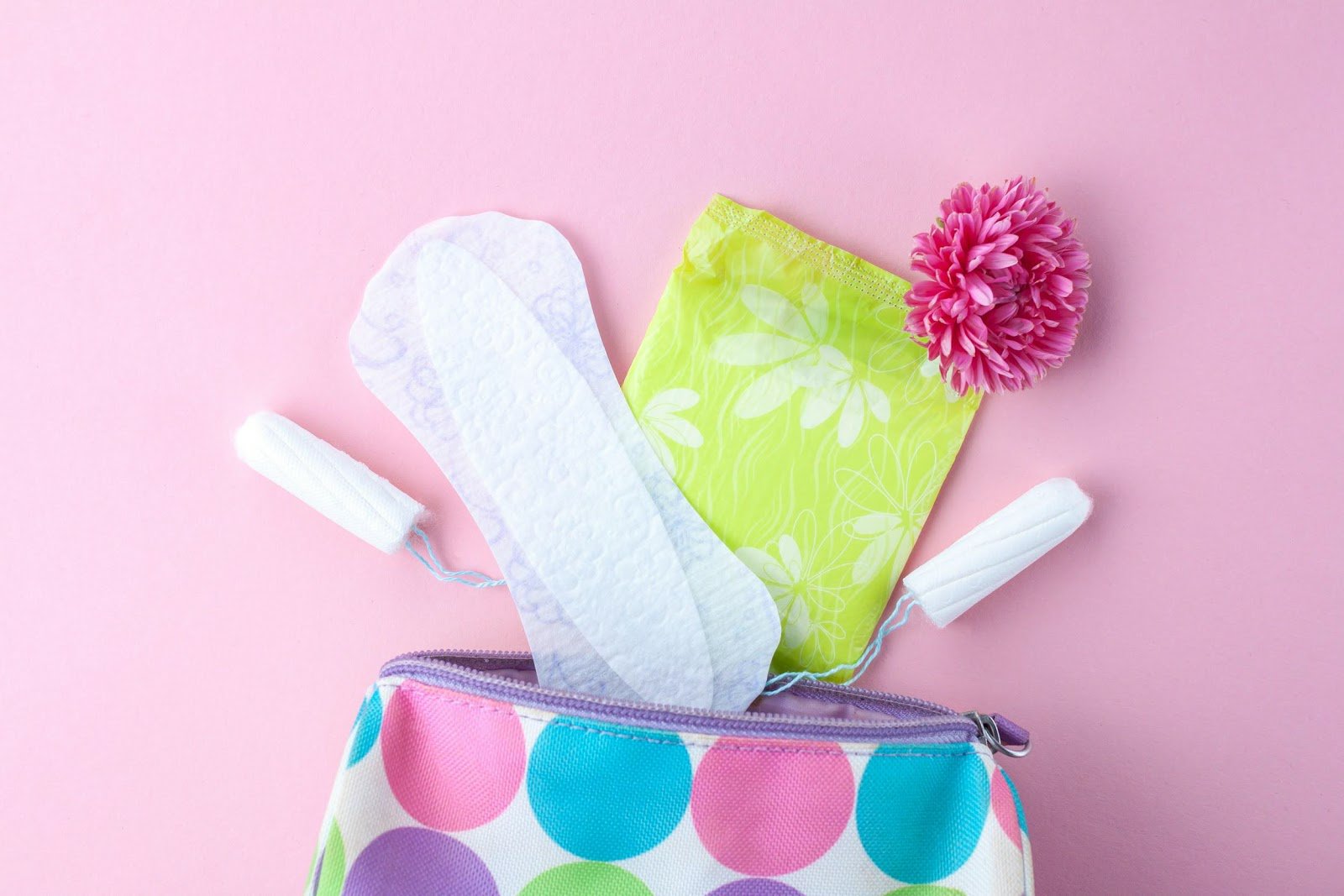
PAINFUL🔴
Do you know why your periods are heavy, painful, or irregular? Well, many reasons can cause a change in your periods.
Regular periods usually last for 3-8 days and occur within a cycle of every 21-35 days.
In a normal menstrual cycle, total blood loss is approximately 30-80 ml. Any change in this amount, or the duration of bleeding, and cycle length may occur due to various reasons.
🔴The main reasons for and heavy
👉Hormonal imbalance
👉Uterine fibroids or polyps
👉Cancer in the reproductive organs
👉Using birth control like an intrauterine disea
👉Miscarriage or ectopic pregnancy
👉Pelvic inflammatory diseasesÂ
👉Systemic diseases like thyroid disease, liver, and kidney diseaR could also increase in the menstrual flow.
🔴Factors that determine heavy bleeding:
The following things if they occur in isolation or combination can suggest that you are suffering from excessive menstrual bleeding or heavy periods:
Your bleeding lasts for more than seven days.
When you tend to soak your tampon or pad completely every hour.
Blood clots were seenRn the menstrual flow that is as big as a coin or larger.
If you need to change pads in the middle of your sleep because of wetting.
If you are experiencing heavy periods and severe pain, you need to see your gynecologist determine the exact cause. You may also certainly need to undergo proper treatment to correct and rectify this anomaly in the reproductive phase of life.
Like heavy and painful periods, having irregular periods also indicates specific health ailments.
Reasons for irregular periods:
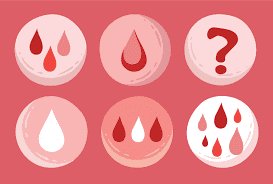
🔴When your cycle is longer than 35 days, it suggests that your periods are irregular.Â
🔴A possible reason for irregular periods could be due to changes in the reproductive cycle like puberty, pregnancy, childbirth menopause, and contraception.
🔴These reasons are very common, and you may not require medical intervention.
However, there might be other reasons for irregular periods that are abnormal.
They include:
🔴Hormonal imbalance:
It is caused due to extreme weight loss or gain, too much emotional stress, eating disorders like anorexia, or endurance exercises like marathon running.
🔴Polycystic ovarian syndrome PCOS:
In this condition, you do not ovulate, and this causes irregular or no periods.
🔴Systemic diseases:
Diseases like thyroid disorder where your thyroid hormone affects the bodies can affect the menstrual cycle.Â
🔴Pelvic inflammatory disease and endometriosis:
These conditions will cause inflammation of the reproductive organs and affect the regular menstruation.
In irregular menses, your menstrual period and the amount of blood flow will vary considerably. You can try your lifestyle like adequate physical activity and practicing a healthy diet, to fix the imbalance.
However, if you can’t regularize your periods by altering your lifestyle, then you will need to take medical advicot fertilized, the egg along with the uterine lining which was prepared for receiving the implantation of fertilized egg breaks and shed out of the body. This waste contains blood, mucous, and lining tissues and is collectively called menstrual blood.
Every woman gets her period for four to five days a month. While it may not be an experience one looks forward to, but it should definitely not come in the way of your normal life.
Some of the ways in which menstrual hygiene can be maintained are as below:
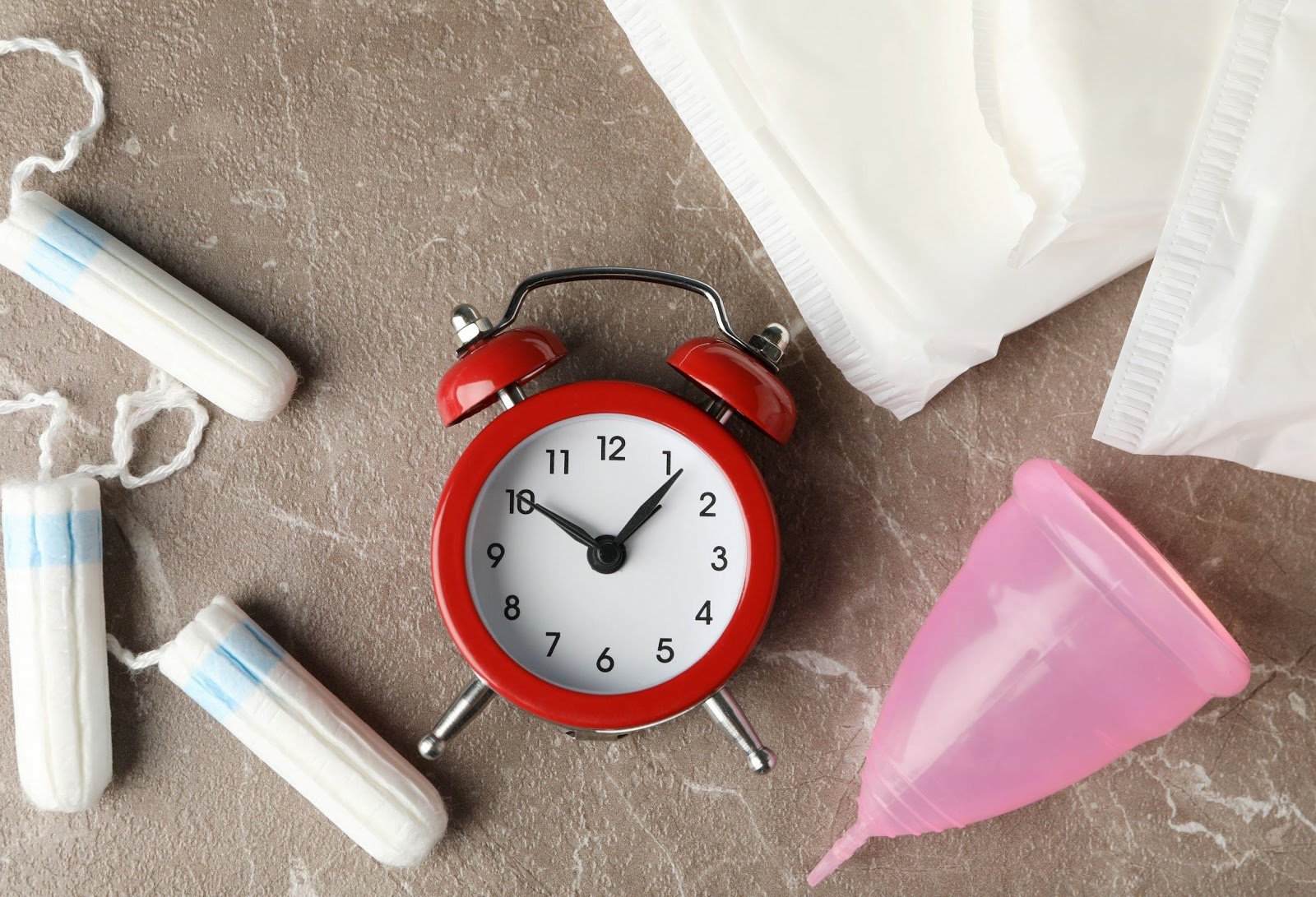
● Change sanitary napkin every 4-5 hours: Once the menstrual blood leaves the body, it begins to decompose gradually. Keeping the used, damp pad close to the vaginal area and skin for long periods of time exposes the area to bacterial infection and itching, causing irritation, allergy, painful rashes or urinary tract infections. Changing napkin or tampons regularly reduces the chances of such infection. Tampons, especially, if left inside the body for long hours, though rare, can lead to toxic shock syndrome.
● There are multiple choices available in the market for commercial sanitary products and it is important to choose sanitary products with an absorbency level appropriate for the menstrual flow.
● While some girls pair up sanitary pads with cloth, tampons, or another pad during periods, it may not be a good idea. Changing regularly is a better option. Multiple pads/ tampons can lead to rashes and infections.
● To prevent transmitting the bacteria found on the used hygiene product to the body via the hands, one should wash their hands with soap after changing the menstrual product.
● It is advisable to keep an extra pair of underwear handy to be used during the period if going out. If the underwear is stained, it should be changed and washed. It is not hygienic to walk around in stained underwear.
● The outer skin of the vagina has folds which can cause blood accumulation that may lead to bad odor, hence wash regularly. Washing the correct way is also important. Wash from vagina to anus not the other way around as it can lead to transmission of bacteria.
● The vagina is a self-cleaning organ. It is very important that its natural flora is not disturbed. Doctors recommend washing the genital area with plain warm water and mild soap. Harsh soaps, deos, and perfumed products should be avoided as the chemicals in these products can react strongly to the skin.
● In the night when one is asleep, the body functions slow down and the bleeding intensity decreases hence it is fine to wear one pad overnight unless there is heavy bleeding or staining.
● Unhygienic absorbents or improper hygiene during periods can also be associated with Reproductive Tract Infections, which can damage the uterine wall, ovaries, and fallopian tubes.
● Sanitary pads and tampons should be disposed of safely. It should be wrapped in the wrapper of the new one or in toilet paper, and then thrown in the bin. This will help block the smell and prevent the spread of bacteria which can build up in there over time.
● Menstrual cups should be washed at least once a day in warm water and antiseptic liquid to remove all germs.
Conclusion
Maintaining personal period hygiene is the key to a safe and peaceful menstruation process. Without the right information for period hygiene, one may end up suffering more than needed. Small, basic steps are enough to maintain proper menstrual hygiene and avoid infections or any other unpleasant experiences.
Dr Deeksha Singh
OBGYN Therapist
obgyntherapistdrdeekshasingh@gmail.com
deeksha66singh@gmail.com
PERFECT10 MATERNITY REHAB
Hormonal Wings ❤️
.
.
@prilaga #prilaga #menstruationhealth #menstruationhygiene #menstruationhygieneday #menstruationsschmerzen #menstruationcup #menstruations #menstruationcycle #menstruationsunterwäsche #menstruationsbeschwerden #menstruationisnatural #menstruationnation #menstruationstasse #menstruationisnormal #menstruationmonday #menstruationsunterwaesche #menstruation #menstruationmagazine #menstruationart #menstruationmatters #menstruationeducation #menstruationawareness #menstruationcelebration #menstruationmagic

