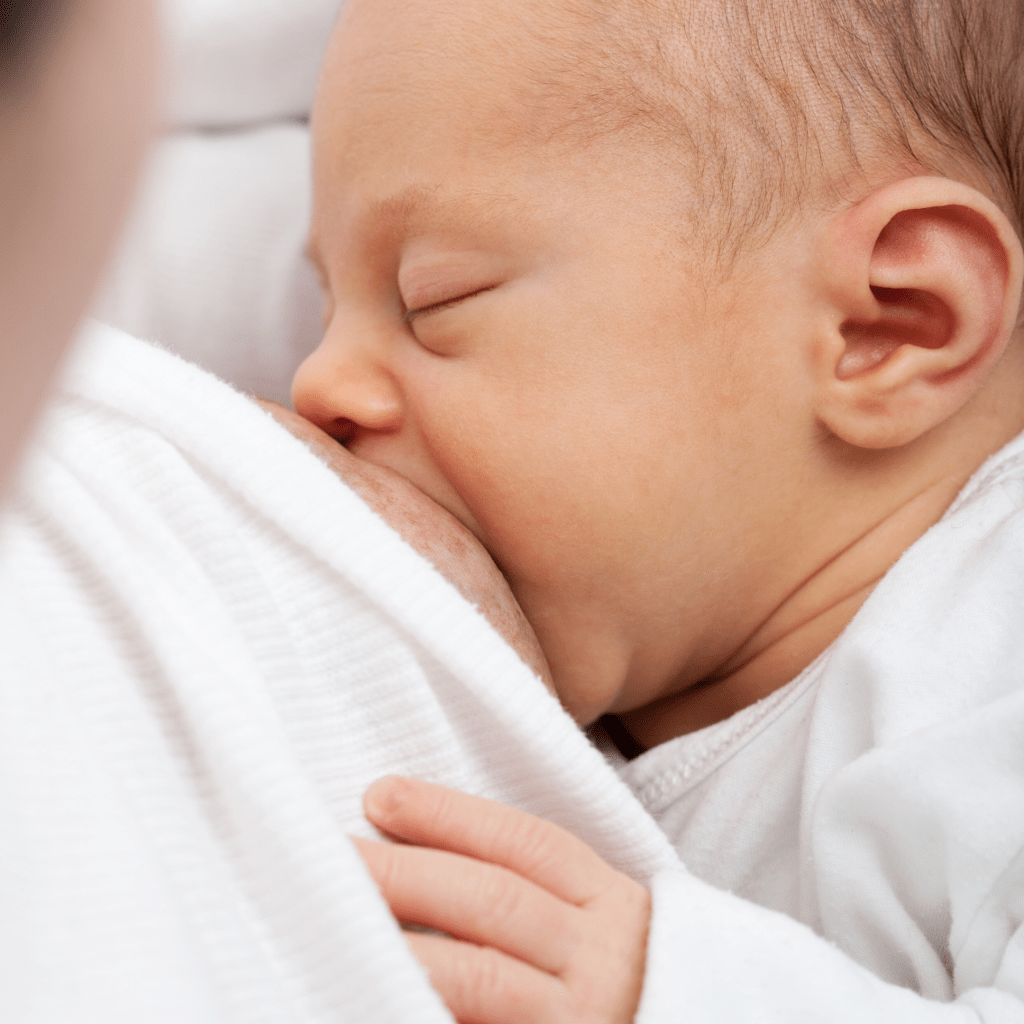
The theme of World Breastfeeding Week 2020 is “Support breastfeeding for a healthier planet”.
In line with this theme, WHO and UNICEF are calling on governments to protect and promote women’s access to skilled breastfeeding counselling, a critical component of breastfeeding support.
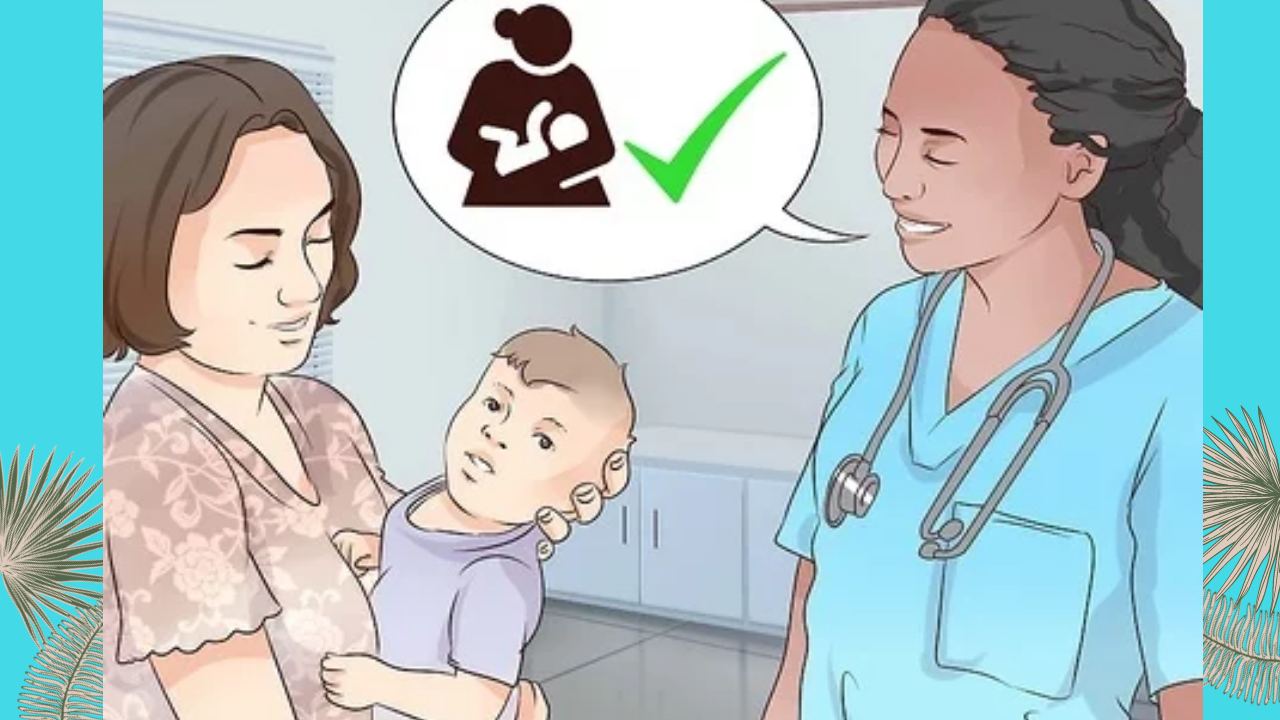
Mothers and healthcare workers who support them have many questions and concerns about whether it is safe for mothers with confirmed or suspected COVID-19 to be close to and breastfeed their babies during the pandemic.
Breastfeeding and COVID-19. The FAQ complements the WHO interim guidance:
The FAQs is a decision tree which provides step-by-step guidance to health workers on how to support mothers with confirmed or suspected COVID-19 to breastfeed. It provides advice on what to do if mothers are not well enough to breastfeed, as well as appropriate hygiene measures for mothers, including wearing a medical mask if available, to reduce the possibility of the COVID-19 virus being spread to her infant.
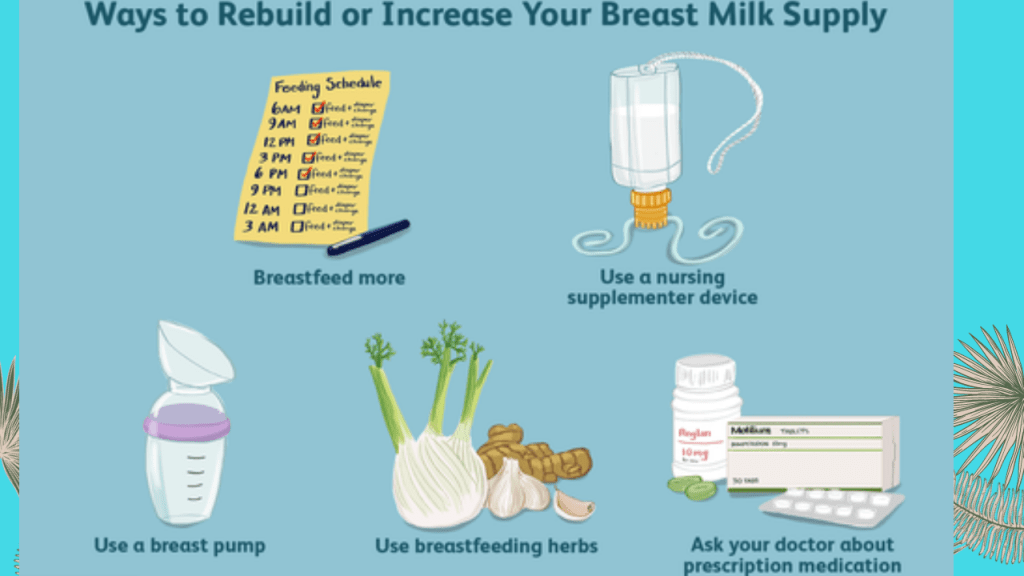
Breastfeeding provides every child with the best possible start in life. It delivers health, nutritional and emotional benefits to both children and mothers. And it forms part of a sustainable food system. But while breastfeeding is a natural process, it is not always easy. Mothers need support – both to get started and to sustain breastfeeding.
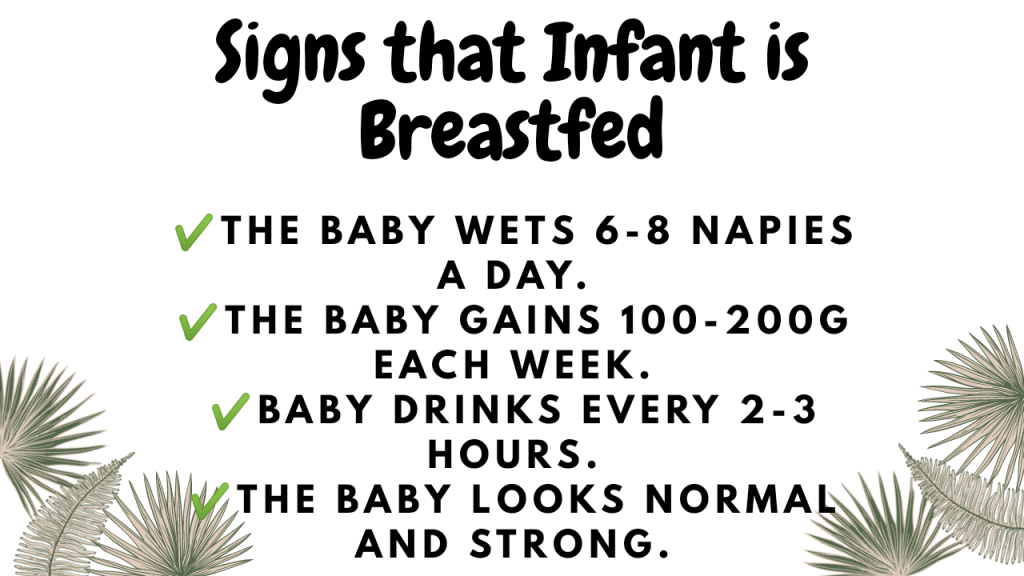
Benefits of breastfeeding
The COVID-19 virus has not been detected in the breastmilk of any mother with confirmed and suspected COVID-19 and there is no evidence so far that the virus is transmitted through breastfeeding. Researchers continue to test breastmilk from mothers with the infection.
WHO recommends that all mothers with confirmed or suspected COVID-19 continue to have skin-to-skin contact and to breastfeed. In all socio-economic settings, breastfeeding improves survival and provides lifelong health and development advantages to newborns and infants. Breastfeeding also reduces the risk of breast and ovarian cancer for the mother. Skin-to-skin contact, including kangaroo mother care, reduces neonatal mortality, especially for low birth weight newborns.
While infants and children can contract COVID-19, they are at low risk of infection. The few confirmed cases of COVID-19 in young children to date have experienced only mild or asymptomatic illness.
WHO’s recommendations on the care and feeding of infants whose mothers have confirmed or suspected COVID-19 aim to improve the immediate and lifelong survival, health and development of their newborns and infants.
Fact 1: Breastfeeding for the first six months is crucial
WHO recommends that:
* mothers initiate breastfeeding within one hour of birth;
* infants should be exclusively breastfed for the first six months of life to achieve optimal growth, development and health, and thereafter, to meet their evolving nutritional requirements, infants should receive nutritionally adequate and safe complementary foods, while continuing to be breastfed; and
* breastfeeding should continue for up to two years or beyond.
You can start to breastfeed when you feel well enough to do so. There is no fixed time interval to wait after confirmed or suspected COVID-19. There is no evidence that breastfeeding changes the clinical course of COVID-19 in a mother. Health workers or breastfeeding counsellors should support you to relactate.
COVID-19 be passed through breastfeeding?
Transmission of active COVID-19 (virus that can cause infection) through breast milk and breastfeeding has not been detected to date. There is no reason to avoid or stop breastfeeding.
I have confirmed or suspected COVID-19, is it safer to give my baby infant formula milk?
No. There are always risks associated with giving infant formula milk to newborns and infants in all settings. The risks associated with giving infant formula milk are increased whenever home and community conditions are compromised, such as reduced access to health services if a baby becomes unwell, reduced access to clean water and/or access to supplies of infant formula milk are difficult or not guaranteed, affordable and sustainable.
This is why UNICEF and WHO, in line with the policy actions advocated by the UNICEF-WHO-led Global Breastfeeding Collective, are calling on governments to:
- INVEST to make skilled breastfeeding counselling available to every woman. Ensuring availability of skilled breastfeeding counselling to every woman will require increased financing for breastfeeding programmes and improved monitoring and implementation of policies, programmes and services.
- TRAIN health care workers, including midwives and nurses, to deliver skilled breastfeeding counselling to mothers and families.
- ENSURE that counselling is made available as part of routine health and nutrition services that are easily accessible.
- PARTNER and collaborate with civil society and health professional associations, building strong collaborative systems for provision of appropriate counselling.
- PROTECT health care workers from the influence of the baby food industry.
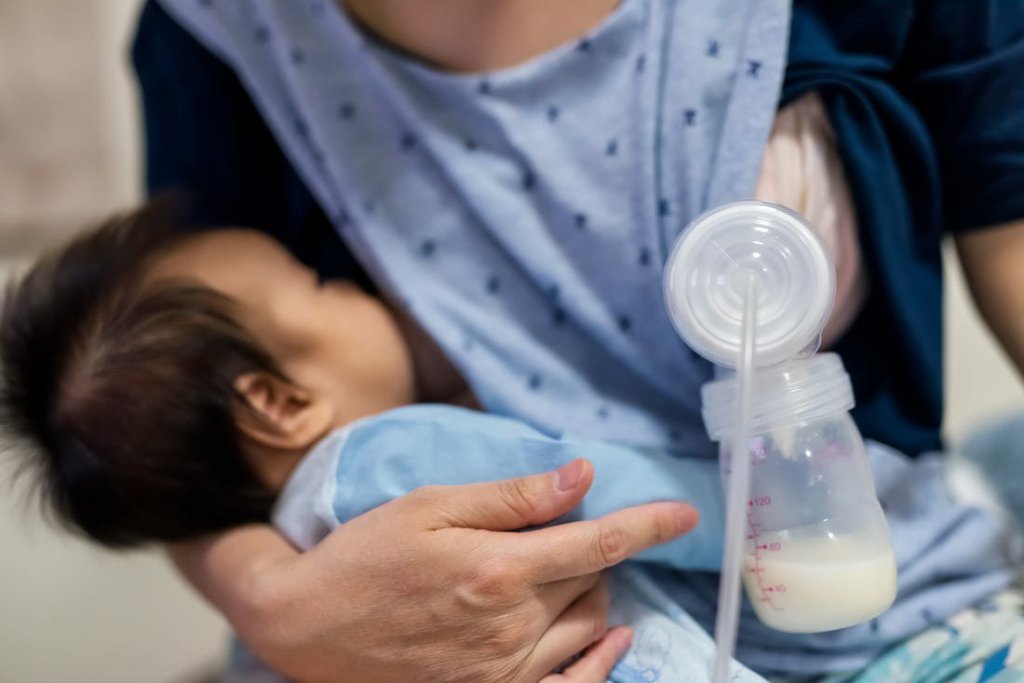
Breastmilk is the ideal food for infants. It is safe, clean and contains antibodies which help protect against many common childhood illnesses. Breastmilk provides all the energy and nutrients that the infant needs for the first months of life, and it continues to provide up to half or more of a child’s nutritional needs during the second half of the first year, and up to one third during the second year of life.
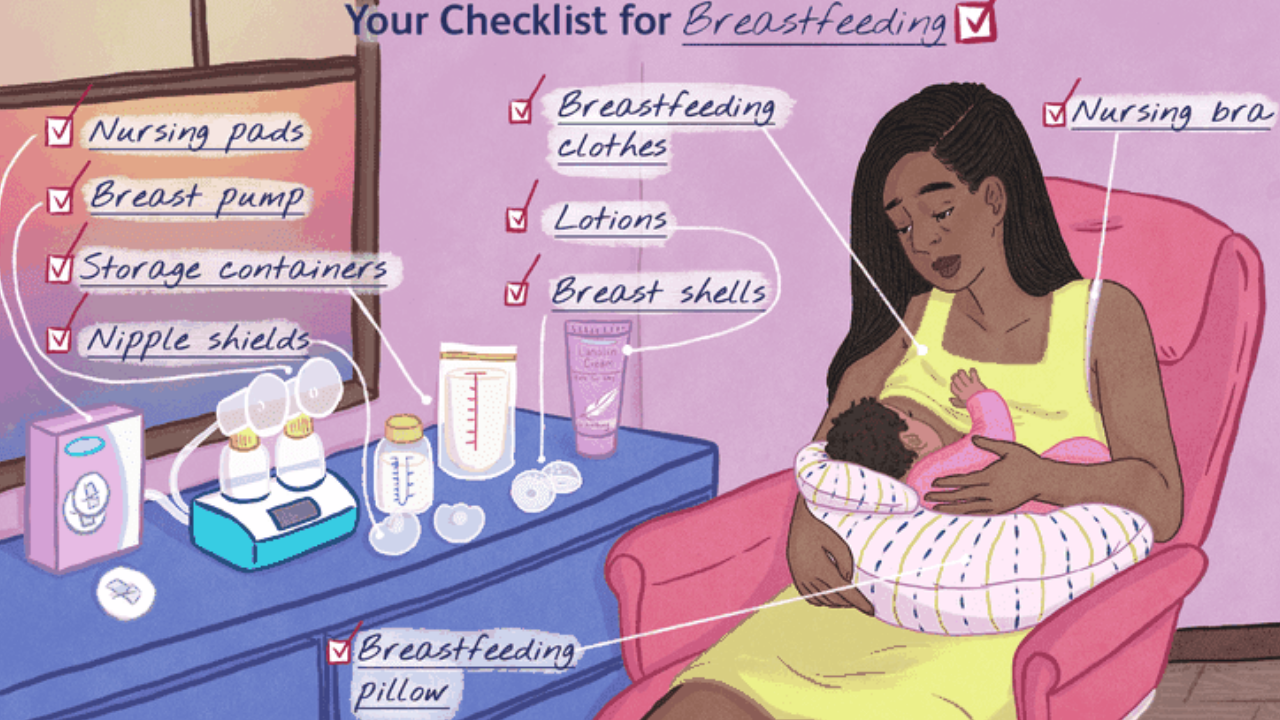
Positioning:
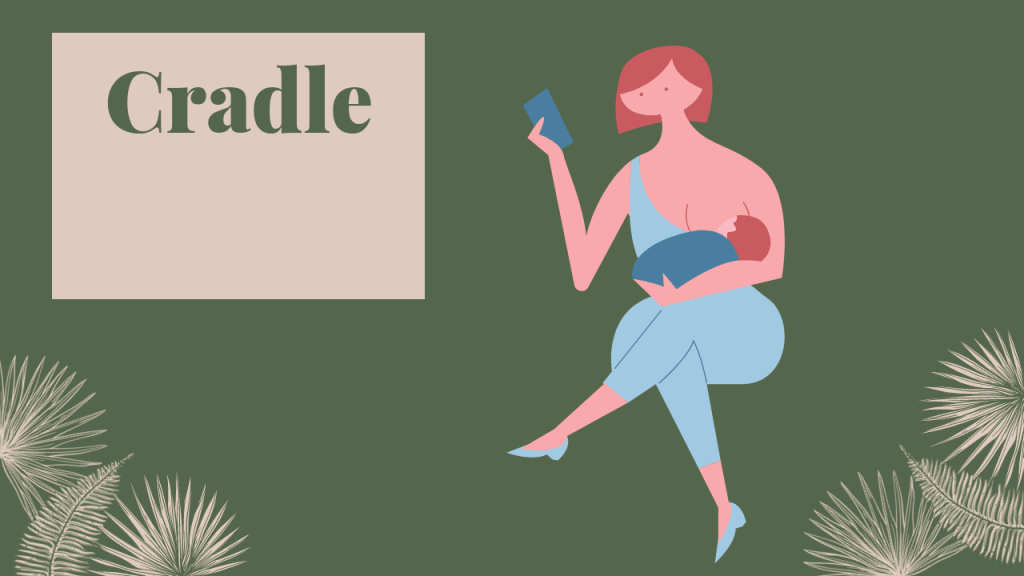
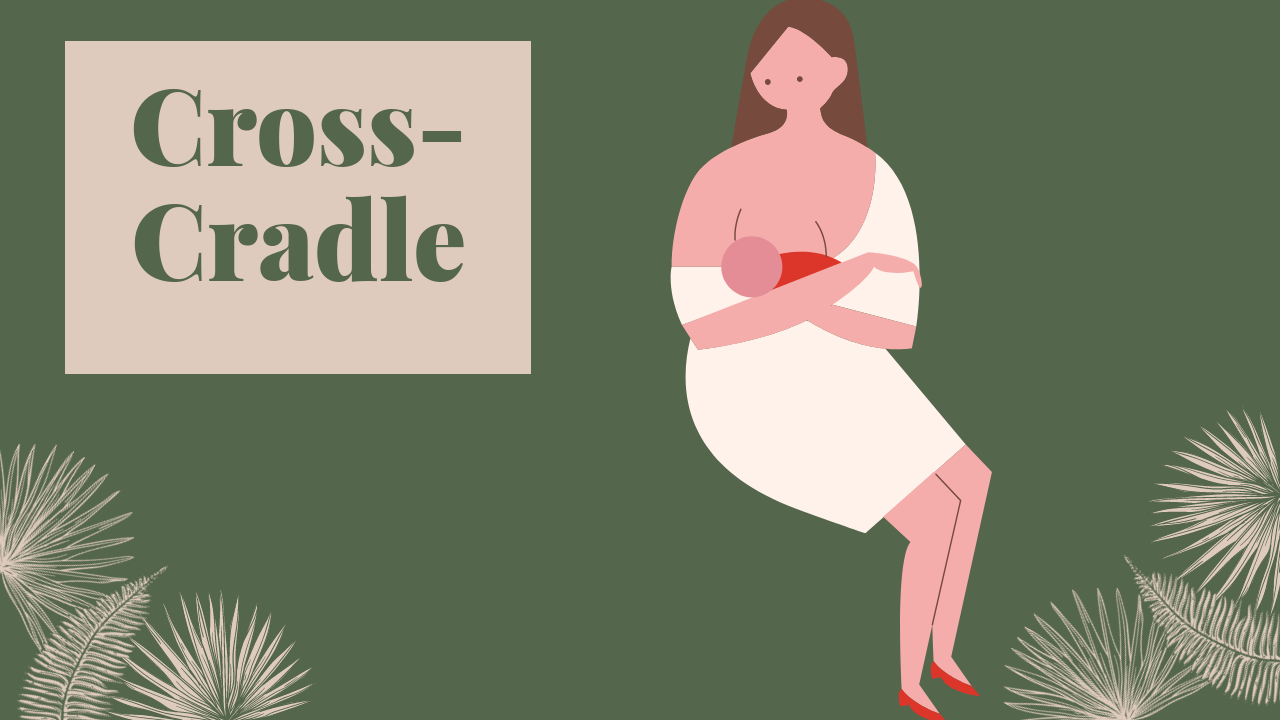
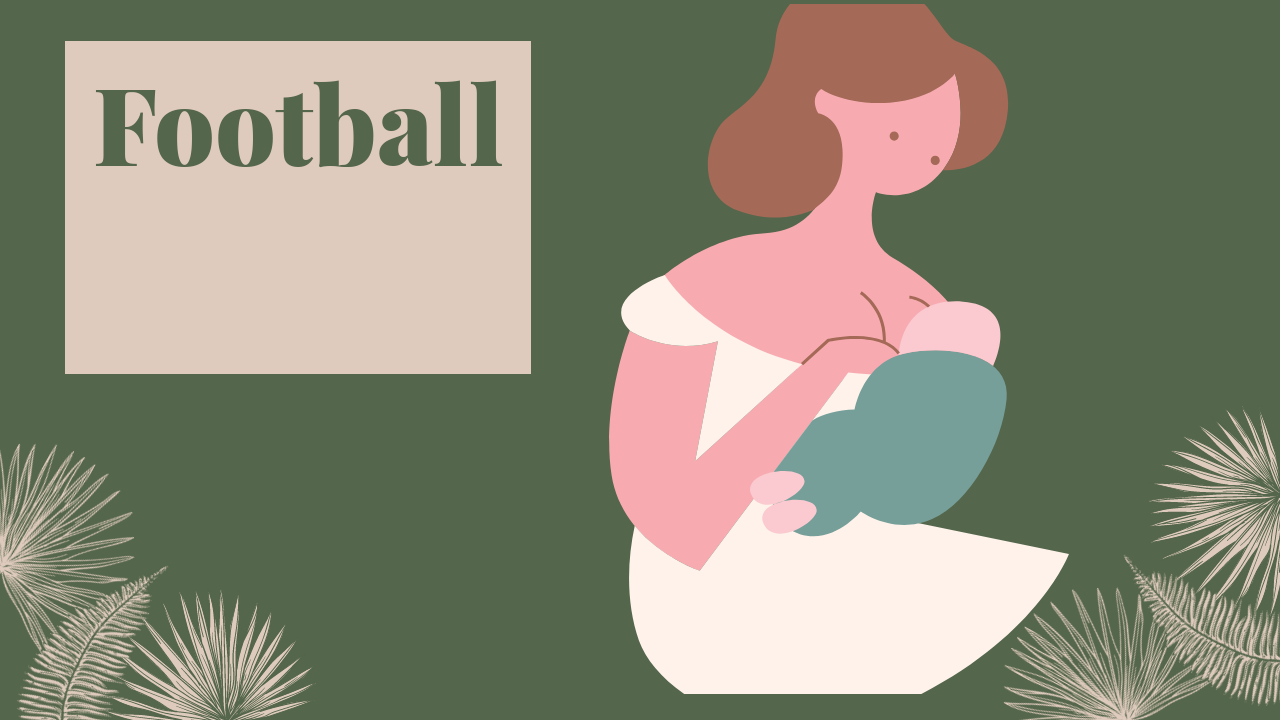


Breastfed children perform better on intelligence tests, are less likely to be overweight or obese and less prone to diabetes later in life. Women who breastfeed also have a reduced risk of breast and ovarian cancers.
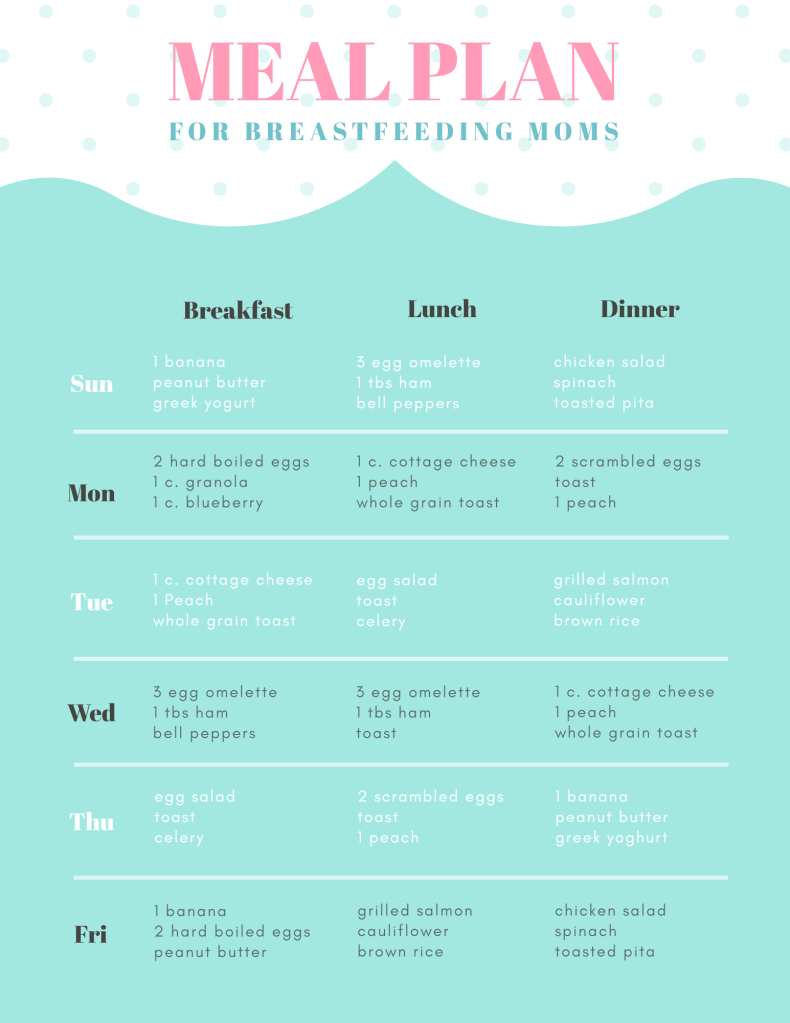
Together, through commitment, concerted action and collaboration, we can ensure that every mother has access to skilled breastfeeding counselling, empowering her to give her baby the best possible start in life.
Regards
Dr Deeksha Sing
hOBGYN Therapist
Lactation Consultant
Child Birth Educator
deeksha66singh@gmail.com
obgyntherapistdrdeekshasingh@gmail.com
Perfect10 Maternity Rehab

