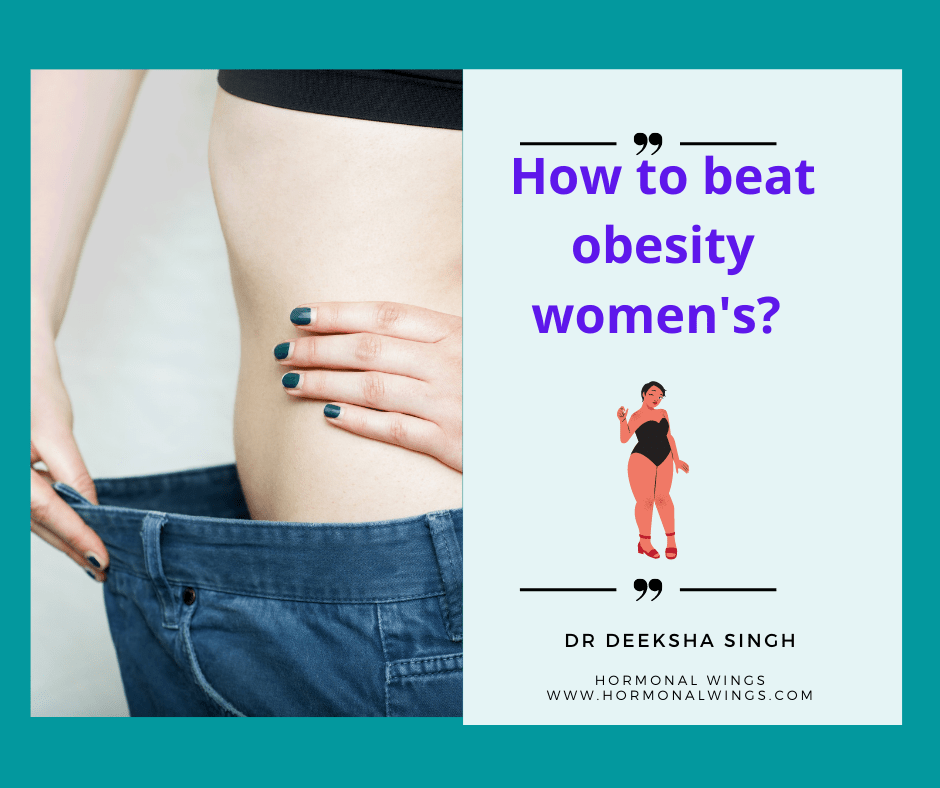
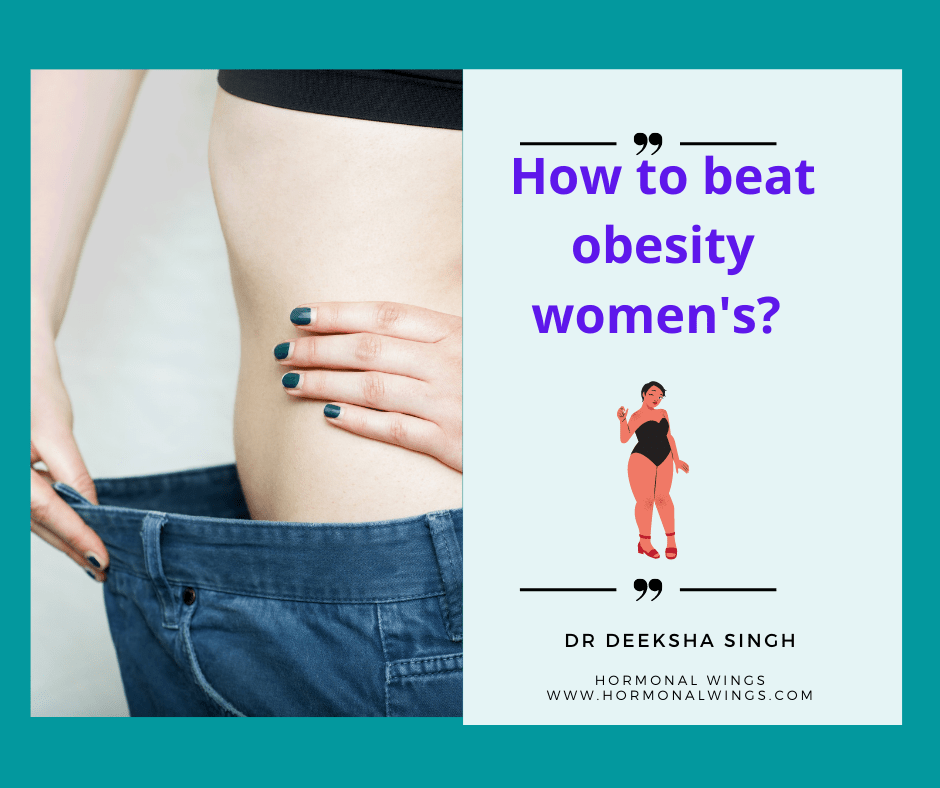
When you start getting difficulty in wearing your favorite dress then please don’t go for tailor instead find a nutrition expert for yourself! First change your lifestyle and food habits and take obesity as disease then only you can loose it!
Women’s in India never took their health as priority, keep on performing household duties and their duties for health of family members! In India abdomen fat is taken as your prosperity sign means you are from well to do family! Regular going survey on Indian women obesity lead us to the medical issues women’s face because of it!
Obesity has taken a image of pandemic in whole world! According to WHO report in last 50 years in whole world population of obese people just doubled! Women’s are prone to this problem! According to National Monitoring Beuro & National Institute of Nutrition more women’s are having fat around the belly then men!
In India 23% of Urban women’s suffering from obesity! India on 3 rank after America & China on wolrd Obsity ranking! Obesity lead to many medical problems like diabetes, heart problem, stroke attack, arthritis, back pain, depression, anorexia, bullemia and period related problem and difficulty in conceiving was one of them!
Cardiovascular disease (CVD) is the leading cause of death in both men and women in the United States. CVD is a general term for diseases that affect the heart and blood vessels. Many are caused by the buildup of a waxy substance called plaque in the arteries. Plaque can narrow and harden the arteries, a condition called atherosclerosis. It can take several decades for atherosclerosis to develop.
What are the different types of CVD?
There are several types of CVD. The type of CVD depends on where atherosclerosis occurs in the body: Coronary artery disease affects the arteries that supply the heart with blood.Peripheral artery disease affects arteries that supply the other organs in your body.Cerebrovascular disease affects arteries that supply the brain.
How can atherosclerosis lead to a heart attack or stroke?Atherosclerosis makes it hard for blood to move through the arteries. If blood flow is blocked in a coronary artery, it causes a heart attack. If this happens in an artery in the brain, it can cause an ischemic stroke. If an artery ruptures in the brain, it is called a hemorrhagic stroke.
Is CVD different for women and men?
Women have unique risk factors for CVD that men do not share. Women also get different types of CVD than men. CVD in men is more likely to cause heart disease. CVD in women is more likely to cause stroke. Stroke can cause lifelong disability in those who survive. Heart attack symptoms in women can be different from those in men. All women need to learn these symptoms and call 9-1-1 if they experience them.
What are the risk factors for CVD?Some risk factors for CVD cannot be changed, whereas others can be altered by making lifestyle changes or treating certain medical conditions. Some of the risk factors include the following: Age—As people age, their risk of CVD increases. Women see an increase in risk from ages 55 years to 64 years—when most have gone through menopause.High blood pressure—Blood pressure is the force the heart uses to move blood through the blood vessels to the organs and tissues. When blood pressure is too high (a condition called hypertension), it can damage the vessel walls. Damaged areas provide an ideal place for plaque to form. High blood pressure is a key risk factor for CVD in women and is the most common risk factor for stroke. Women should have their blood pressure checked regularly and get treatment if it is high. Lifestyle changes as well as medications are used to treat high blood pressure.Abnormal triglyceride and cholesterol levels—Triglycerides are the most common form of fat in the body and provide energy to power the body’s activities. Cholesterol is a building block for cells and hormones. High-density lipoprotein (HDL or “good cholesterol”) helps prevent heart disease. It picks up cholesterol in the bloodstream and takes it to the liver where it is broken down. Low-density lipoprotein (LDL or “bad cholesterol”) can collect in the walls of blood vessels. Too much LDL in the walls of the arteries can trigger a response by the body’s immune system called inflammation. Inflammation can lead to a buildup of plaque in the arteries and eventually to atherosclerosis.Diabetes mellitus—Diabetes causes high levels of glucose in the blood. Health problems, including CVD, can arise if blood glucose levels are not controlled. Risk factors for type 2 diabetes include being overweight, lack of exercise, abnormal cholesterol levels, and a higher-than-normal level of glucose in the blood (a condition called prediabetes).Lifestyle factors—Smoking, lack of exercise, and being overweight are risk factors for CVD.
What are the risk factors for CVD that are unique to women?Risk factors for CVD that are unique to women include the following: Gestational hypertension—Having high blood pressure during pregnancy increases the risk of having CVD and high blood pressure later in life. The risk of serious blood pressure-related complications with a future pregnancy also is increased.Preeclampsia—This disorder can occur during pregnancy or after childbirth. If it is not diagnosed and treated, it can lead to serious health problems. Women who have had preeclampsia are at greater risk of developing CVD.Gestational diabetes—Diabetes that first appears during pregnancy increases the risk of developing diabetes and CVD after pregnancy. Women who have had gestational diabetes should be tested for diabetes 6–12 weeks after childbirth and then every 3 years.Polycystic ovary syndrome (PCOS)—PCOS is a leading cause of infertility that can affect all areas of the body, not just the reproductive system. Having PCOS increases the risk of diabetes and may increase the risk of CVD.Certain autoimmune disorders—Diseases such as lupus or rheumatoid arthritis, which are more common in women, are associated with an increased risk of CVD. Screening for CVD is recommended for women with these disorders.Hormonal birth control methods—Combined hormonal birth control methods contain both estrogen and progestin. They include the birth control pill, patch, and vaginal ring. Women using these methods have a small increased risk of stroke compared with nonusers. This risk is higher for women 35 and older who smoke; women with additional risk factors for stroke, such as high blood pressure; and women who have migraine headaches with aura. These methods are not recommended for women with these risk factors.Hormone therapy for menopause—Combined hormone therapy (estrogen and progestin) is linked to a small increased risk of heart attack. For this reason, combined hormone therapy should not be used solely to protect against heart disease. Both combined hormone therapy and estrogen-only therapy are associated with a small increased risk of stroke.
How can I lower my risk of CVD?
All women need to have regular screening tests for diabetes and cholesterol levels and to have their blood pressure and weight measured. When and how often you should have these tests depend on your age and risk factors. If you are at risk of CVD, lifestyle changes usually are recommended first. If lifestyle changes alone are not enough, or you are at high risk of CVD, your doctor or other health care professional may suggest medications to treat high blood pressure or lower your cholesterol levels.
What is a heart-healthy lifestyle?Living a heart-healthy lifestyle means eating a healthy diet, limiting alcohol, staying at a healthy weight, not smoking, and getting daily exercise.
What is a heart-healthy diet?
A heart-healthy diet stresses vegetables, fruits, beans, and low-fat dairy products; includes fish and poultry; and limits red meat, sugary foods and drinks, and sodium. Cutting down on the amount of fast food or processed food, which is loaded with fat, salt, and sugar, is a great way to start eating more healthfully. The type of fat that you eat is important. Most of the fat that you eat should be unsaturated fats. Unsaturated fats come mostly from plants like olives, beans, and seeds. They also are found in fish, especially fatty fish like salmon.
Why is it important to control my weight?
Obesity and being overweight increase the risk of many health problems, including heart disease, high blood pressure, and diabetes. Weight loss is recommended if you are overweight or obese. Your doctor or other health care professional may recommend a diet and exercise plan that can help you lose weight safely and effectively. Medications to help with weight loss or bariatric surgery (weight-loss surgery) may be options for some obese people.
Why is it important to quit smoking?
Smoking is a major cause of heart disease. Your risk of heart disease increases the more you smoke and the longer you smoke. Female smokers have a higher risk of heart disease than male smokers. If you smoke, quit. You can get help from your doctor or other health care professional and from “quit lines” that have been set up in every state.
Why is it important to stay active?Lack of physical activity can increase your risk of CVD. Regular exercise can strengthen your heart and promote the health of your blood vessels. It helps boost your “good cholesterol” levels and lower blood pressure levels, which can reduce your risk of heart disease and stroke. The Centers for Disease Control and Prevention recommend getting at least 150 minutes of exercise every week. You can divide the 150 minutes into 30-minute workouts on 5 days per week or into smaller 10-minute periods throughout each day.
Dr Deeksha Singh OBGYN Therapist http://www.hormonalwings.com Hormonal Wings FacebookTwitterLinkedInYouTube Copyright 2020. All rights reserved.
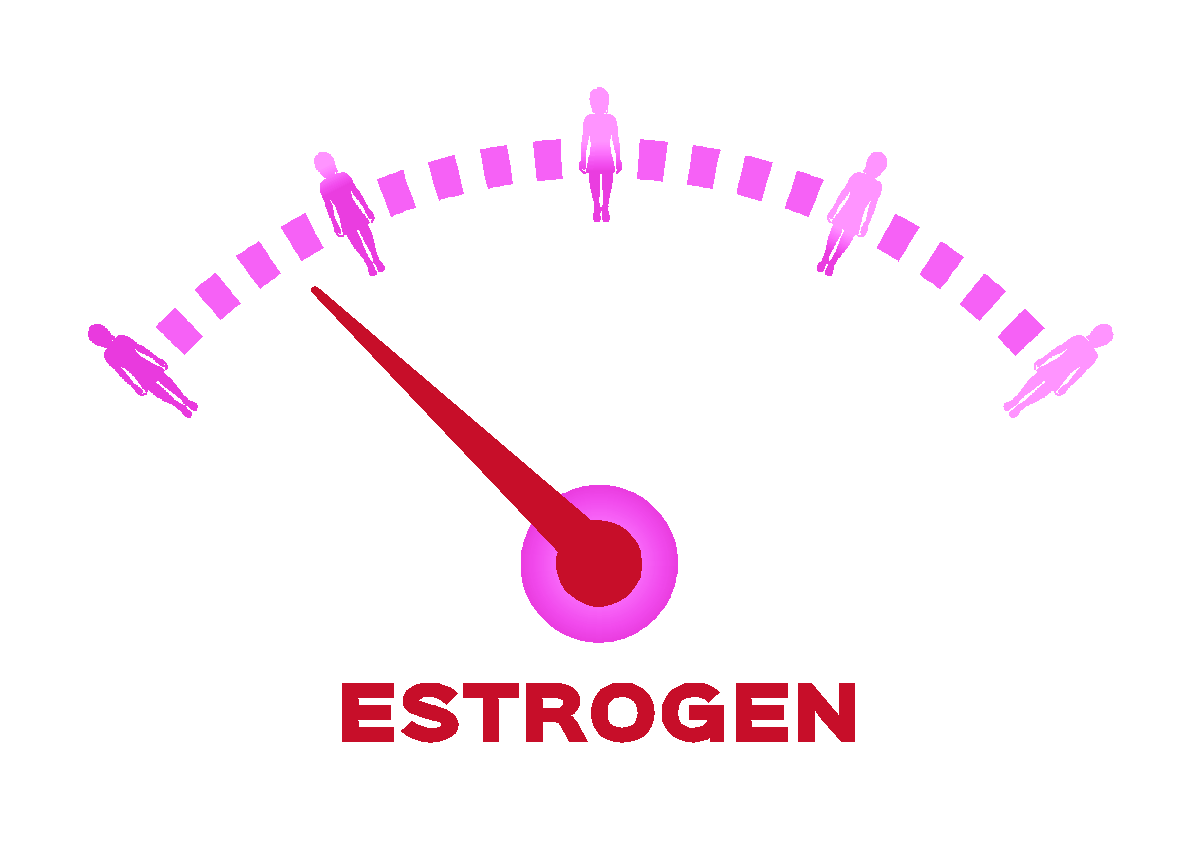
HYPOESTROGENISM Hormones play a significant role in the human body by maintaining health and performing major developmental roles such as reproduction, digestion, etc.
Estrogen is one such important hormone present in the human body.
Though it is present in both male and female bodies, female bodies produce comparatively larger quantities of estrogen as compared to males.
What is hypoestrogenism?
Hypoestrogenism, or estrogen deficiency, refers to a lower than normal level of the hormone estrogen. Estrogen is the primary sex hormone in women.
Why are adequate levels of estrogen a necessity?
Estrogen plays a very important role in the development and maintenance of a female human body. Some of the functions the hormone estrogen is responsible for performing are as follows:
Regulates bone health Regulates cholesterol metabolism Leads to breast development in adolescent and pregnant females Leads to the sexual development of girls when they reach puberty It regulates factors such as body weight, food intake, insulin sensitivity, glucose metabolism, etc. Enables control of the uterine lining during menstrual cycles and pregnancy What are the causes of low estrogen?
Since estrogen is produced in the ovaries, any circumstances that affect the ovaries lead to a counter effect on the production of estrogen. Low levels of estrogen production in the body are linked to the following reasons:
👉Chronic kidney disease 👉Turner Syndrome 👉An abnormally functioning pituitary gland 👉Excessive exercise 👉Extreme dieting 👉Ovarian cysts 👉Family history of hormonal issues 👉Anorexia or other such eating disorders 👉Premature ovarian failure Genetic defects 👉Autoimmune medical conditions 👉Low levels of estrogen in women around the age of 40 are a sign of perimenopause.
This means that the woman is approaching menopause. The ovaries gradually reduce the levels of estrogen production when approaching menopause. When estrogen production in the body has altogether stopped, the stage is known as menopause.
What are the symptoms of low levels of estrogen in the body?
Adolescent women who are yet to reach puberty and women that are approaching menopause are most likely to have inadequate levels of estrogen in their body. However, low levels of estrogen can be experienced by women of all age groups. Common symptoms are:
👉Due to the lack of vaginal lubrication, sex becomes painful. 👉Hot flashes 👉Mood swings 👉Headaches 👉Depression 👉Fatigue 👉Difficulty in concentrating 👉Tenderness in the breasts 👉Irregular or an absent menstrual cycle 👉Because the urethra is thinning, you become more prone to contracting urinary tract infections. 👉Bones become more prone to injury and fracture due to a decrease in bone density. 💯If not treated, low estrogen levels can also lead to infertility in women. How is low estrogen diagnosed?
A timely diagnosis of low estrogen levels will enable the prevention of a lot of health problems. It is thus recommended that you visit a trained medical professional as soon as you notice one or more symptoms mentioned above. The doctor will start by studying your medical history and any family history of hormonal conditions. He/she will also recommend certain blood tests and will perform a physical examination. In some cases, the doctor will advise a brain scan and a DNA test to check for any abnormalities in the endocrine system.
How is low estrogen-treated?
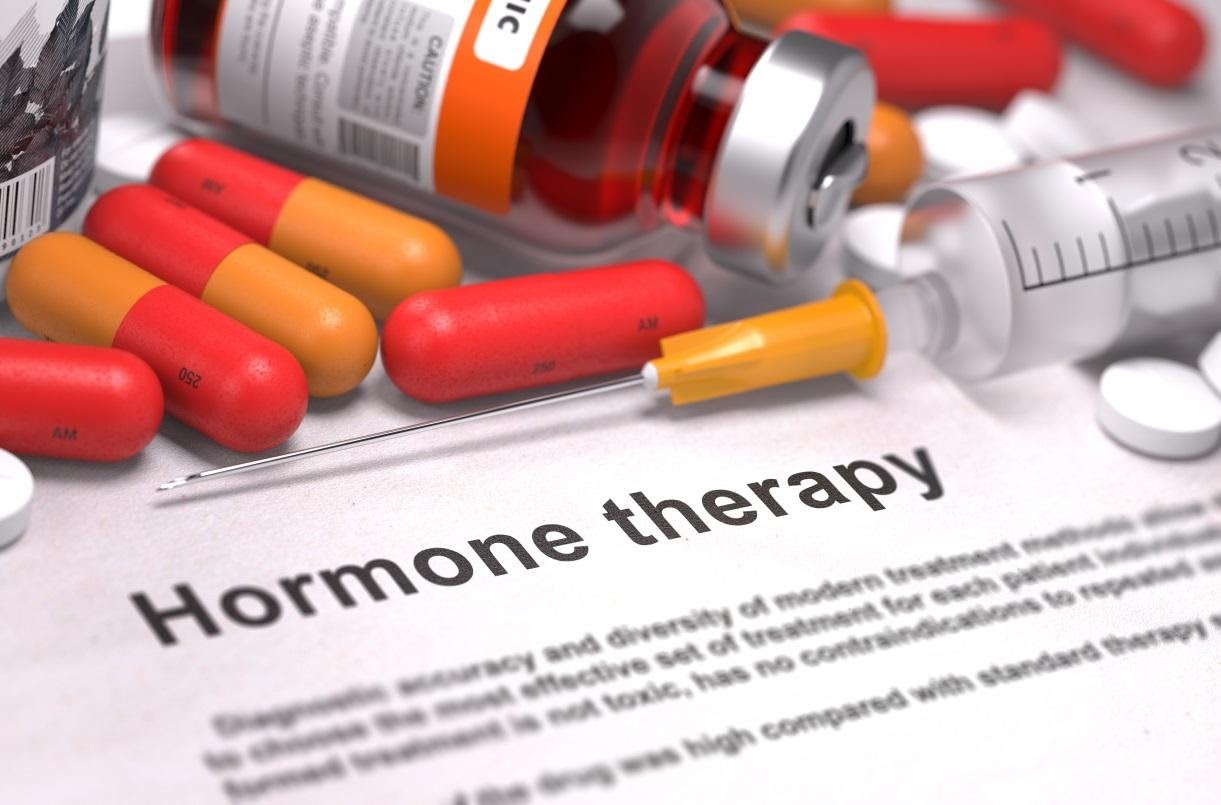
Low estrogen levels once diagnosed with the various blood tests, will need to be replaced in certain situations. This may be done by the gynaecologist or endocrinologist by prescribing combined hormonal pills or estrogen-containing pills depending on the symptoms, age, and other risk factors. Estrogen may be given orally, vaginally, or topically. This may be specially required for reducing the risk of cardiovascular diseases, bone loss, and hormonal imbalances.
In some cases, especially in cases of women approaching menopause, doctors may recommend hormone replacement therapy.
However, it is advised to consult a specialist doctor in this regard and follow the advice given on an individual basis.
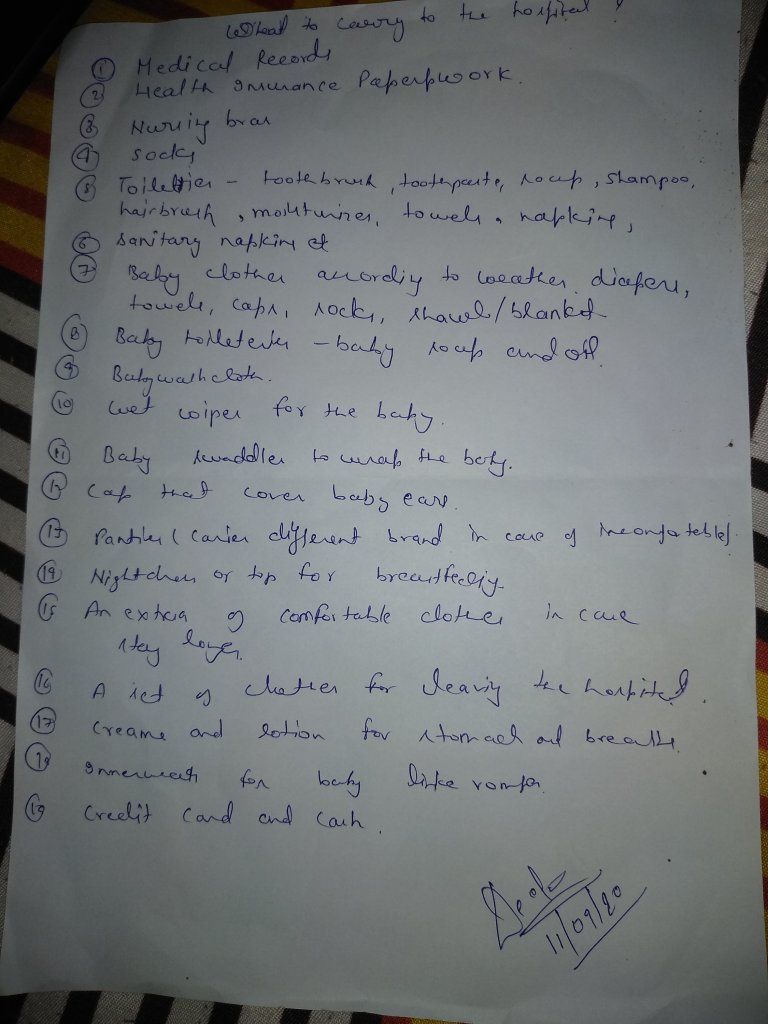
Hospital Bag for Mum: Labour and Delivery 🔴Hospital file, ID and insurance papers. Have your medical records handy, so that your doctors can easily see your medical history. Your hospital may require some form of ID, any medical cards, and insurance documents up front, so make sure you have a copy of these readily available. 🔴Birth plan (if you have one). You might have discussed your birth plan with your medical team, but having a few copies printed and available for doctors and nurses means that everyone can refer to it, in case last-minute questions arise. 🔴Dressing gown. A soft dressing gown is useful for pacing around during labour, or afterward, if you spend some time in the hospital. 🔴Socks. Many mums pop on some warm socks if their feet get cold during labour. 🔴Slippers or flip-flops. You’ll want slippers that are comfortable and easy to slip in and out of to wear as you walk around the hospital ward. Pack some flip-flops for using in the shower. 🔴Lip balm. Your lips can get chapped during labour. Having some lip balm on hand will help hydrate your lips. 🔴Body lotion or massage oil. Some mums-to-be find a little massage during labour relaxing. If this could be you, pop some lotion or oil in your hospital bag. 🔴Water spray and sponge. During labour you may feel you’re getting a little hot. It could help to spray some water on your face and neck, or to sponge some cool water on your forehead. 🔴Comfortable pillow(s). Your hospital will provide you with pillows, but they might not be the right kind for you. If you have a favourite pillow, then it can’t hurt to take it along as well. 🔴Relaxing pass-times. Pack some things to help you pass the time like a book, magazines, a tablet with movies or series downloaded on it, or a music player. 🔴Eye mask and earplugs. To help you get rest in a busy and bright maternity ward, an eye mask or earplugs could be just what you need during the downtimes of labour, or for your well-deserved rest following the delivery. Hospital Bag for Mum: After Delivery 🔴Nightdresses. You’ll need something comfortable to sleep in during your hospital stay. Pack at least one soft nightdress. Choose a front-opening one if you plan to breastfeed. 🔴Heavy-duty maternity pads. Although the hospital may provide some, pack plenty of heavy-duty maternity-pads, just in case. It’s normal to bleed a lot after the birth, and maternity pads are softer and more absorbent than standard ones. Initially you may need to change pads every one to two hours, but within a few days the flow will start to decrease. 🔴Underwear. Pack several pairs of comfortable underwear that you won’t mind getting messy, and that are large enough for those maternity pads. 🔴Bras. Be prepared with a few nursing bras or any other comfortable, well-fitting bras. 🔴Toiletries. Don’t forget towels, tissues, hairbrush, deodorant, toothbrush, toothpaste, face wash, body wash, shampoo, conditioner, hairdryer, hair clips, and hair ties. Pack a plastic bag to pop dirty clothes in. 🔴Cosmetics and skin care products. 🔴Glasses and contact lenses 🔴Phone and charger. 🔴Clothes. 🔴Handouts and reference books. 🔴Soothing products for vagina and tummy. take care of it going forward. 🔴Snacks and drinks. Are you all set for the big day? Your baby might arrive earlier than expected, so it’s worth having your hospital bag packed for you, your birth partner and the baby during the third trimester – at about week 38 − just in case. Hospital Bag ListThis checklist will help you pack your pregnancy hospital bag so you’ll be sure to have everything you need for yourself, your new baby, and your birth partner. Dr Deeksha Singh OBGYN Therapist Hormonal Wings Perfect10 Maternity Rehab http://www.hormonalwings.com obgyntherapistdrdeekshasingh@gmail.com deeksha66singh@gmail.com
Do you know why your periods are heavy, painful, or irregular? Well, many reasons can cause a change in your periods.
Regular periods usually last for 3-8 days and occur within a cycle of every 21-35 days.
In a normal menstrual cycle, total blood loss is approximately 30-80 ml. Any change in this amount, or the duration of bleeding, and cycle length may occur due to various reasons.
🔴The main reasons for and heavy
👉Hormonal imbalance
👉Uterine fibroids or polyps
👉Cancer in the reproductive organs
👉Using birth control like an intrauterine disea
👉Miscarriage or ectopic pregnancy
👉Pelvic inflammatory diseasesÂ
👉Systemic diseases like thyroid disease, liver, and kidney diseaR could also increase in the menstrual flow.
🔴Factors that determine heavy bleeding:
The following things if they occur in isolation or combination can suggest that you are suffering from excessive menstrual bleeding or heavy periods:
Your bleeding lasts for more than seven days.
When you tend to soak your tampon or pad completely every hour.
Blood clots were seenRn the menstrual flow that is as big as a coin or larger.
If you need to change pads in the middle of your sleep because of wetting.
If you are experiencing heavy periods and severe pain, you need to see your gynecologist determine the exact cause. You may also certainly need to undergo proper treatment to correct and rectify this anomaly in the reproductive phase of life.
Like heavy and painful periods, having irregular periods also indicates specific health ailments.
Reasons for irregular periods:
🔴When your cycle is longer than 35 days, it suggests that your periods are irregular.Â
🔴A possible reason for irregular periods could be due to changes in the reproductive cycle like puberty, pregnancy, childbirth menopause, and contraception.
🔴These reasons are very common, and you may not require medical intervention.
However, there might be other reasons for irregular periods that are abnormal.
They include:
🔴Hormonal imbalance:
It is caused due to extreme weight loss or gain, too much emotional stress, eating disorders like anorexia, or endurance exercises like marathon running.
🔴Polycystic ovarian syndrome PCOS:
In this condition, you do not ovulate, and this causes irregular or no periods.
🔴Systemic diseases:
Diseases like thyroid disorder where your thyroid hormone affects the bodies can affect the menstrual cycle.Â
🔴Pelvic inflammatory disease and endometriosis:
These conditions will cause inflammation of the reproductive organs and affect the regular menstruation.
In irregular menses, your menstrual period and the amount of blood flow will vary considerably. You can try your lifestyle like adequate physical activity and practicing a healthy diet, to fix the imbalance.
However, if you can’t regularize your periods by altering your lifestyle, then you will need to take medical advicot fertilized, the egg along with the uterine lining which was prepared for receiving the implantation of fertilized egg breaks and shed out of the body. This waste contains blood, mucous, and lining tissues and is collectively called menstrual blood.
Every woman gets her period for four to five days a month. While it may not be an experience one looks forward to, but it should definitely not come in the way of your normal life.
Some of the ways in which menstrual hygiene can be maintained are as below:
● Change sanitary napkin every 4-5 hours: Once the menstrual blood leaves the body, it begins to decompose gradually. Keeping the used, damp pad close to the vaginal area and skin for long periods of time exposes the area to bacterial infection and itching, causing irritation, allergy, painful rashes or urinary tract infections. Changing napkin or tampons regularly reduces the chances of such infection. Tampons, especially, if left inside the body for long hours, though rare, can lead to toxic shock syndrome.
● There are multiple choices available in the market for commercial sanitary products and it is important to choose sanitary products with an absorbency level appropriate for the menstrual flow.
● While some girls pair up sanitary pads with cloth, tampons, or another pad during periods, it may not be a good idea. Changing regularly is a better option. Multiple pads/ tampons can lead to rashes and infections.
● To prevent transmitting the bacteria found on the used hygiene product to the body via the hands, one should wash their hands with soap after changing the menstrual product.
● It is advisable to keep an extra pair of underwear handy to be used during the period if going out. If the underwear is stained, it should be changed and washed. It is not hygienic to walk around in stained underwear.
● The outer skin of the vagina has folds which can cause blood accumulation that may lead to bad odor, hence wash regularly. Washing the correct way is also important. Wash from vagina to anus not the other way around as it can lead to transmission of bacteria.
● The vagina is a self-cleaning organ. It is very important that its natural flora is not disturbed. Doctors recommend washing the genital area with plain warm water and mild soap. Harsh soaps, deos, and perfumed products should be avoided as the chemicals in these products can react strongly to the skin.
● In the night when one is asleep, the body functions slow down and the bleeding intensity decreases hence it is fine to wear one pad overnight unless there is heavy bleeding or staining.
● Unhygienic absorbents or improper hygiene during periods can also be associated with Reproductive Tract Infections, which can damage the uterine wall, ovaries, and fallopian tubes.
● Sanitary pads and tampons should be disposed of safely. It should be wrapped in the wrapper of the new one or in toilet paper, and then thrown in the bin. This will help block the smell and prevent the spread of bacteria which can build up in there over time.
● Menstrual cups should be washed at least once a day in warm water and antiseptic liquid to remove all germs.
Conclusion Maintaining personal period hygiene is the key to a safe and peaceful menstruation process. Without the right information for period hygiene, one may end up suffering more than needed. Small, basic steps are enough to maintain proper menstrual hygiene and avoid infections or any other unpleasant experiences.
The theme of World Breastfeeding Week 2020 is “Support breastfeeding for a healthier planet”.
In line with this theme, WHO and UNICEF are calling on governments to protect and promote women’s access to skilled breastfeeding counselling, a critical component of breastfeeding support.
Mothers and healthcare workers who support them have many questions and concerns about whether it is safe for mothers with confirmed or suspected COVID-19 to be close to and breastfeed their babies during the pandemic.
Breastfeeding and COVID-19. The FAQ complements the WHO interim guidance:
The FAQs is a decision tree which provides step-by-step guidance to health workers on how to support mothers with confirmed or suspected COVID-19 to breastfeed. It provides advice on what to do if mothers are not well enough to breastfeed, as well as appropriate hygiene measures for mothers, including wearing a medical mask if available, to reduce the possibility of the COVID-19 virus being spread to her infant.
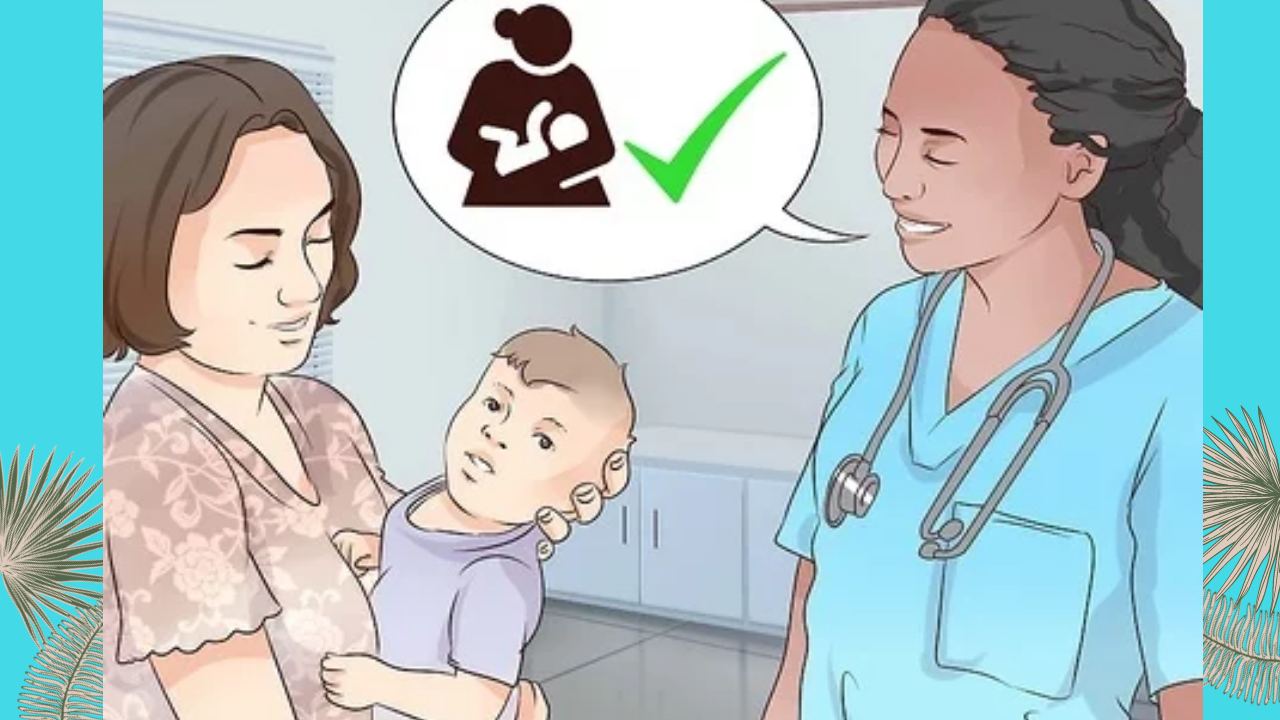
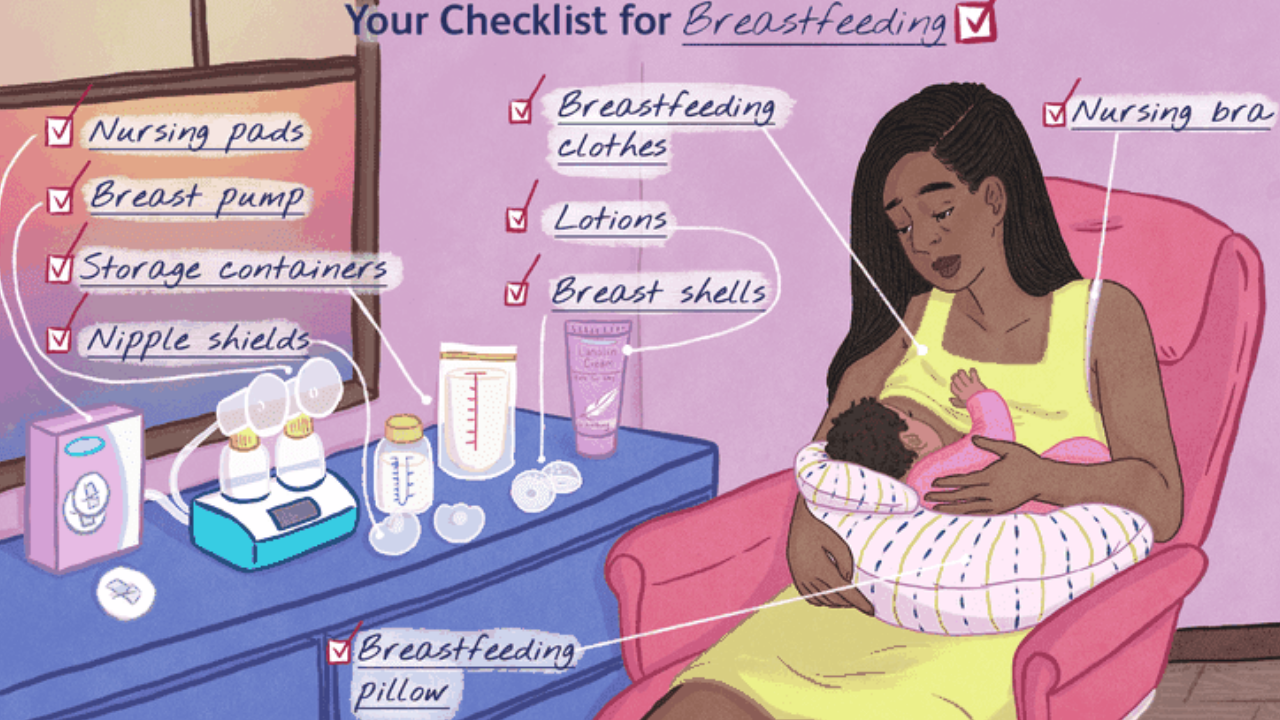
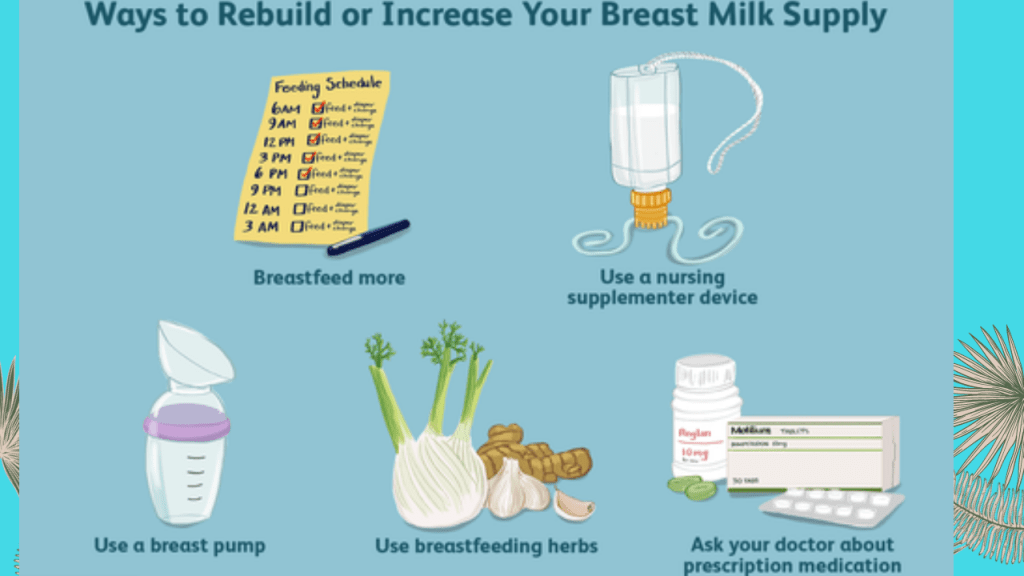
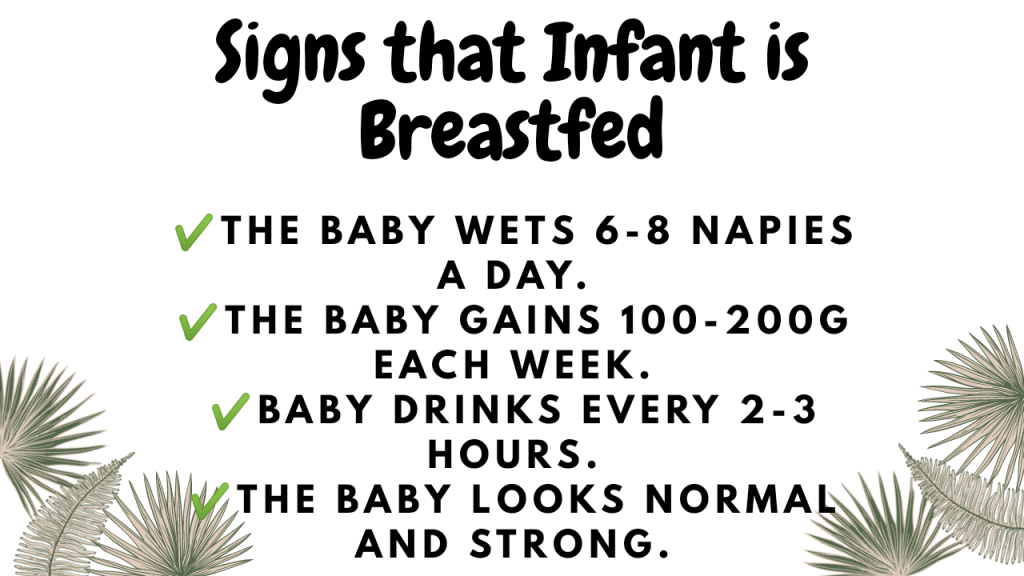
Breastfeeding provides every child with the best possible start in life. It delivers health, nutritional and emotional benefits to both children and mothers. And it forms part of a sustainable food system. But while breastfeeding is a natural process, it is not always easy. Mothers need support – both to get started and to sustain breastfeeding.
Benefits of breastfeeding
The COVID-19 virus has not been detected in the breastmilk of any mother with confirmed and suspected COVID-19 and there is no evidence so far that the virus is transmitted through breastfeeding. Researchers continue to test breastmilk from mothers with the infection.
WHO recommends that all mothers with confirmed or suspected COVID-19 continue to have skin-to-skin contact and to breastfeed. In all socio-economic settings, breastfeeding improves survival and provides lifelong health and development advantages to newborns and infants. Breastfeeding also reduces the risk of breast and ovarian cancer for the mother. Skin-to-skin contact, including kangaroo mother care, reduces neonatal mortality, especially for low birth weight newborns.
While infants and children can contract COVID-19, they are at low risk of infection. The few confirmed cases of COVID-19 in young children to date have experienced only mild or asymptomatic illness.
WHO’s recommendations on the care and feeding of infants whose mothers have confirmed or suspected COVID-19 aim to improve the immediate and lifelong survival, health and development of their newborns and infants.
Fact 1: Breastfeeding for the first six months is crucial
WHO recommends that: * mothers initiate breastfeeding within one hour of birth; * infants should be exclusively breastfed for the first six months of life to achieve optimal growth, development and health, and thereafter, to meet their evolving nutritional requirements, infants should receive nutritionally adequate and safe complementary foods, while continuing to be breastfed; and * breastfeeding should continue for up to two years or beyond.
You can start to breastfeed when you feel well enough to do so. There is no fixed time interval to wait after confirmed or suspected COVID-19. There is no evidence that breastfeeding changes the clinical course of COVID-19 in a mother. Health workers or breastfeeding counsellors should support you to relactate.
Transmission of active COVID-19 (virus that can cause infection) through breast milk and breastfeeding has not been detected to date. There is no reason to avoid or stop breastfeeding.
No. There are always risks associated with giving infant formula milk to newborns and infants in all settings. The risks associated with giving infant formula milk are increased whenever home and community conditions are compromised, such as reduced access to health services if a baby becomes unwell, reduced access to clean water and/or access to supplies of infant formula milk are difficult or not guaranteed, affordable and sustainable.
This is why UNICEF and WHO, in line with the policy actions advocated by the UNICEF-WHO-led Global Breastfeeding Collective, are calling on governments to:
INVEST to make skilled breastfeeding counselling available to every woman. Ensuring availability of skilled breastfeeding counselling to every woman will require increased financing for breastfeeding programmes and improved monitoring and implementation of policies, programmes and services.
TRAIN health care workers, including midwives and nurses, to deliver skilled breastfeeding counselling to mothers and families.
ENSURE that counselling is made available as part of routine health and nutrition services that are easily accessible.
PARTNER and collaborate with civil society and health professional associations, building strong collaborative systems for provision of appropriate counselling.
PROTECT health care workers from the influence of the baby food industry.
Breastmilk is the ideal food for infants. It is safe, clean and contains antibodies which help protect against many common childhood illnesses. Breastmilk provides all the energy and nutrients that the infant needs for the first months of life, and it continues to provide up to half or more of a child’s nutritional needs during the second half of the first year, and up to one third during the second year of life.
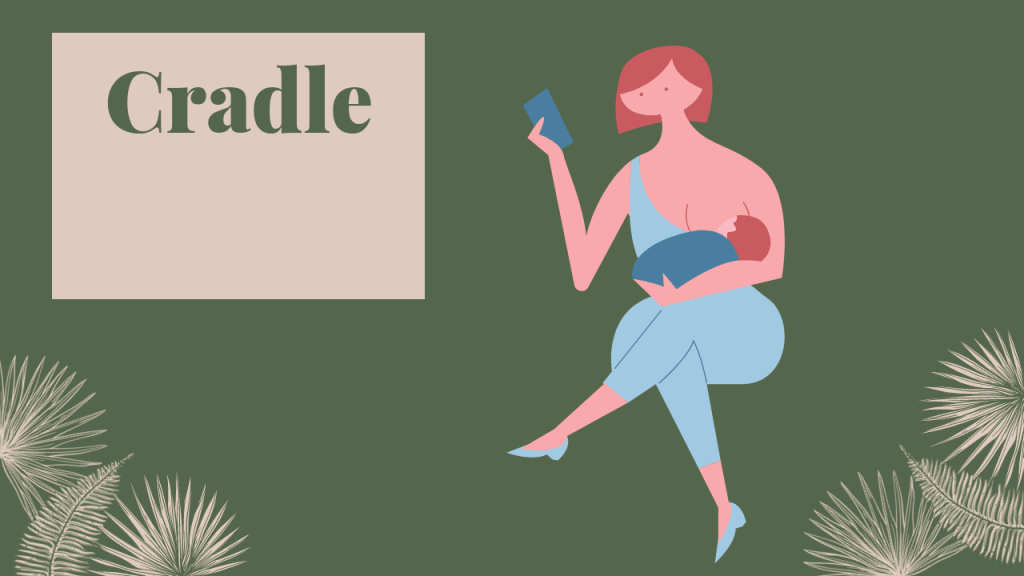
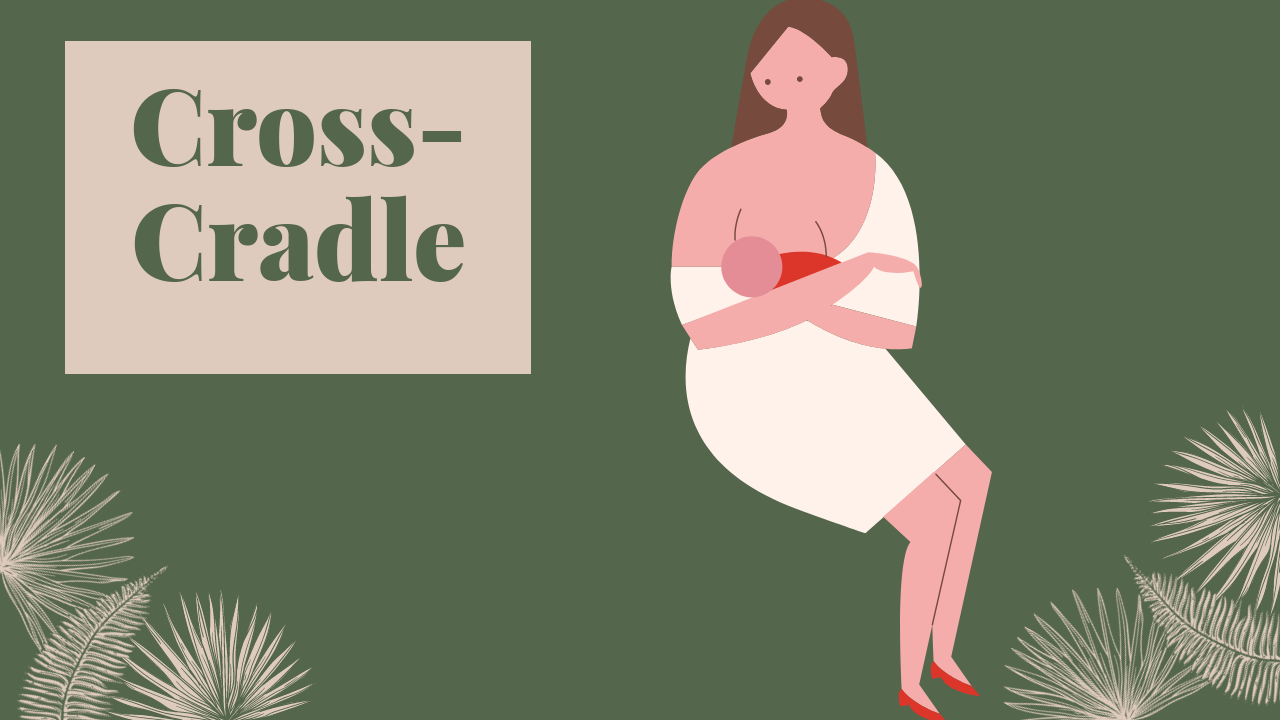
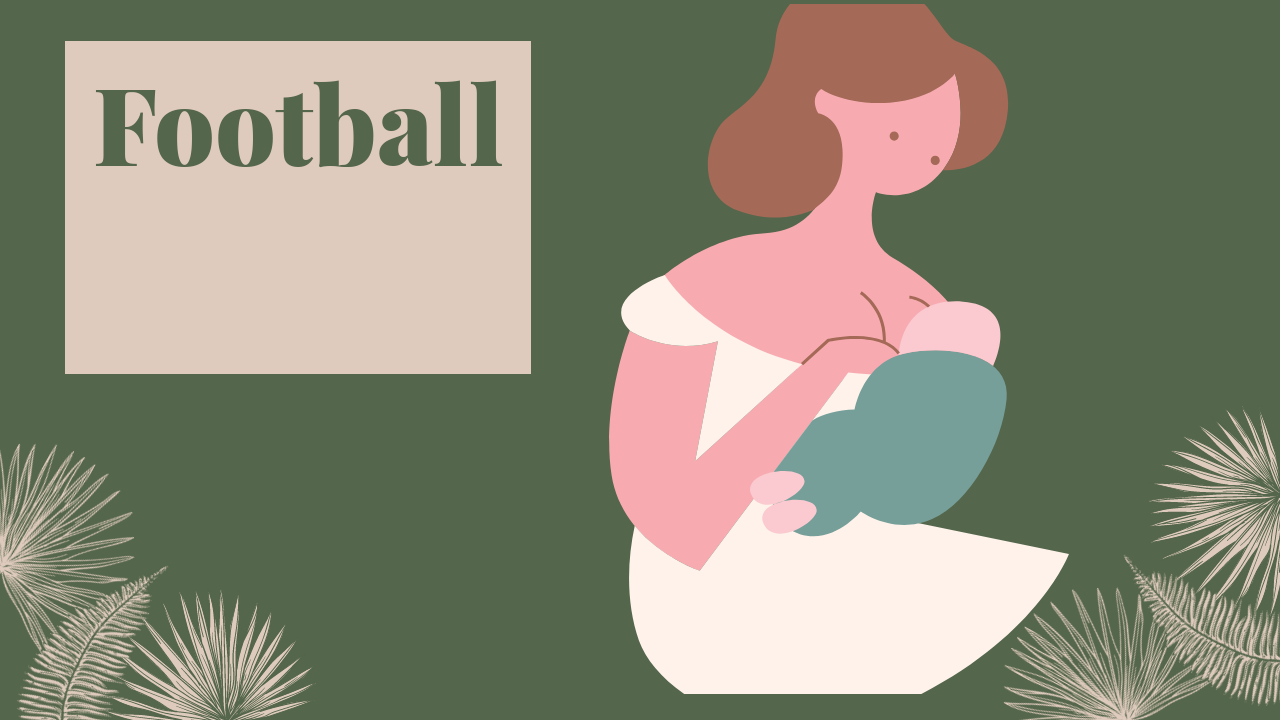
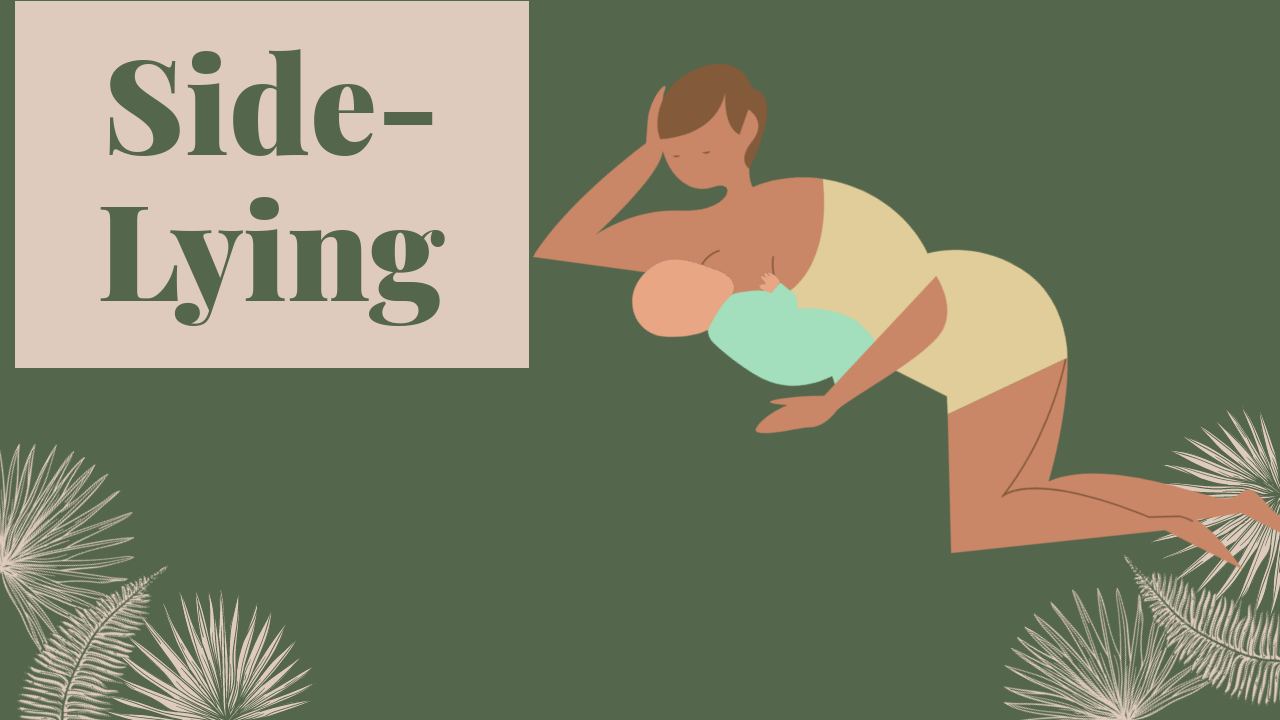
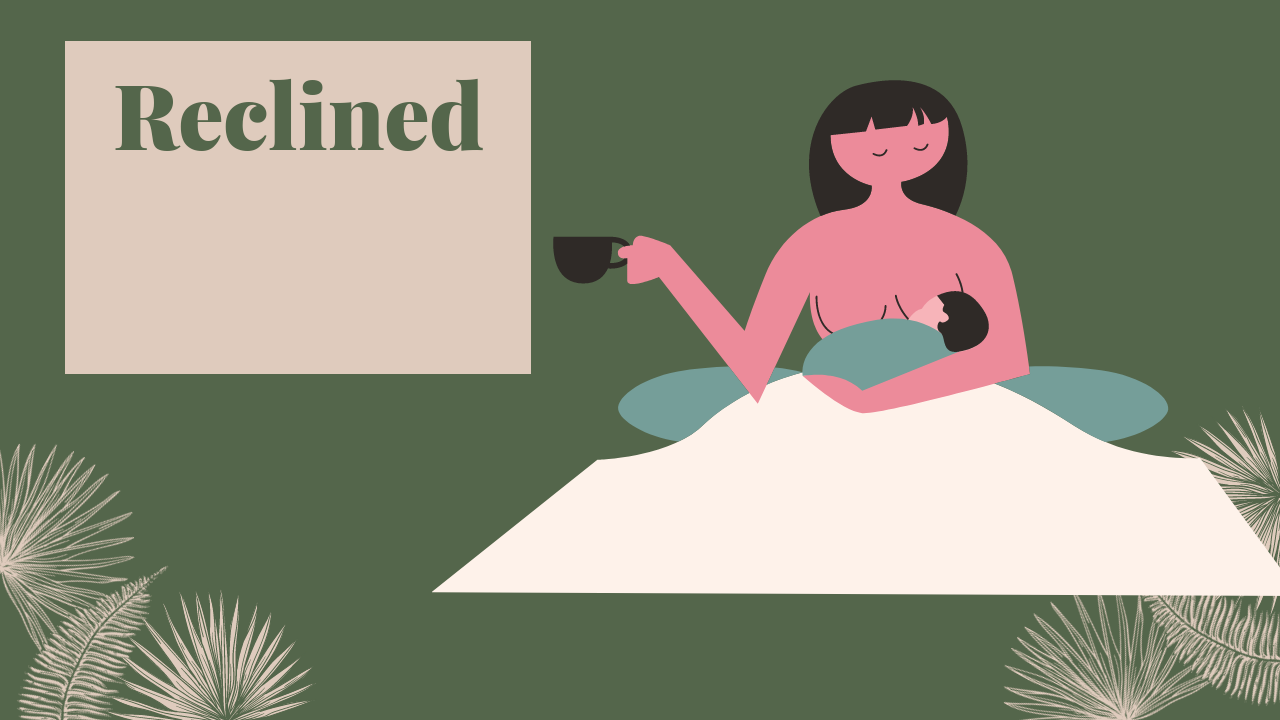
Positioning:
Breastfed children perform better on intelligence tests, are less likely to be overweight or obese and less prone to diabetes later in life. Women who breastfeed also have a reduced risk of breast and ovarian cancers.
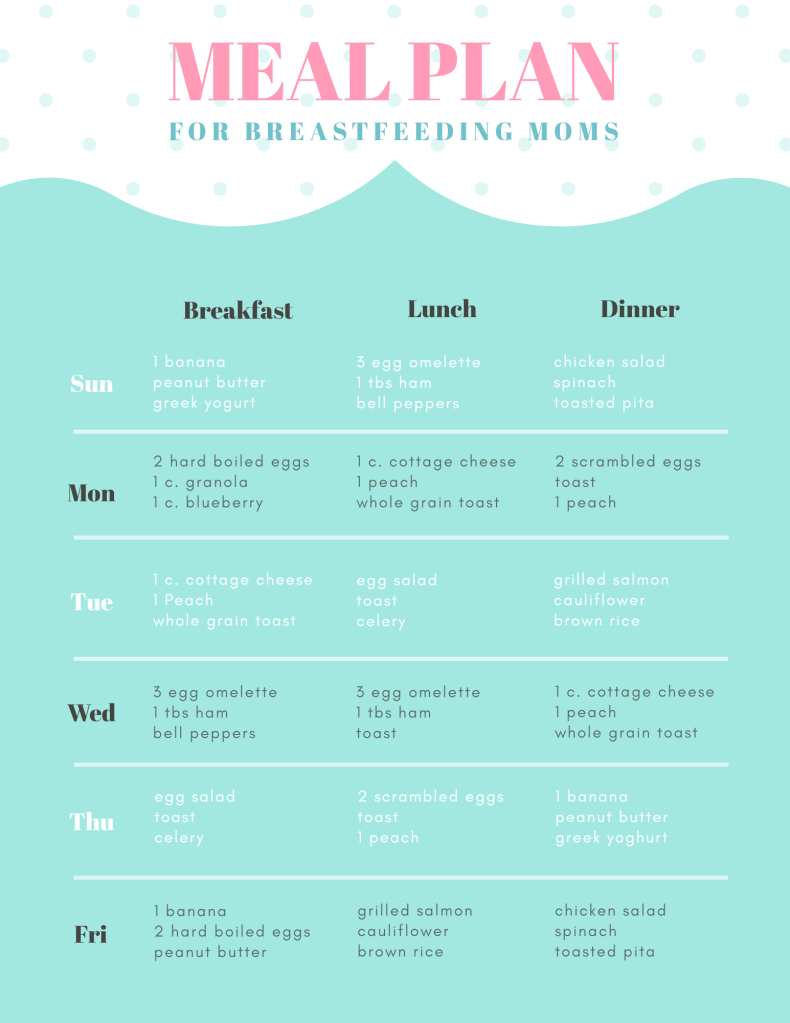
Balanced Diet Plan For Breastfeeding Mumma🤱
Together, through commitment, concerted action and collaboration, we can ensure that every mother has access to skilled breastfeeding counselling, empowering her to give her baby the best possible start in life.
On this women’s Day let’s talk about what Women’s want!
🔴What Women Want?💕 👉You can have all answer from age 12 to age 82 I have got this variation thought from their post cards. So actually today’s Women is something which is full of enthusiasm and energy. They are not egoistic , but they are just living life at fullest.
Women Want From the Men in Their Lives
And, yes, the list absolutely includes good sex between partners.
I’ve conducted a lot of research regarding women’s friendships and the ways that people can most effectively maintain healthy connections over the long-term. In a recent study, however, we explored what women, from 18 to 75, need from the men in their lives. Not surprisingly, the qualities women seek in heterosexual romantic partners, male friends, and men in general, are not all that different from what they seek in a friend. This makes sense: Any good relationship is built on some basic, down-to-earth qualities.
Traits of Moral Integrity
Mutual respect is an all-or-nothing proposition: Once a person loses respect for a partner, all bets are off. Women should be given the same respect that men offer other men. When a person is made to feel disrespected or patronized, the relationship is likely to end sooner rather than later. In terms of romantic relationships, even when you’re angry or disappointed by a partner, respect should be maintained.
Open communication that occurs regularly and tactfully is essential. A healthy relationship flourishes when communication is clear.
Honesty is another “make or break” trait: Don’t give someone any reasons to doubt you.
Trust and trustworthiness allow relationships to deepen.
Taking responsibility for actions and behavior. Long-term healthy relationships require a high level of maturity. Without it, disagreements and conflict worsen as couples engage in the “blame game.” Communication fails and emotional damage can be done that cannot be easily repaired.
As for sex, women ask that men don’t make everything about sex – i.e., don’t do favors that you assume will result in sexual favors being done for you. Your good behavior should not be viewed simply as a means towards a particular end. Good sex can’t be bought, and by expecting sex as a payoff for doing something that pleases your partner, you turn a potentially romantic encounter into more of a business deal. Few and far between are the women who want to feel that they owe sex to a partner.
Sexual activities that are geared to pleasing your partner, not just yourself, are what your partners need you to provide. Sex should be a fun adventure that allows partners to explore and expand their sexual connection, not just a repetition of the same old, same old. As one participant shared, “Men need to ditch the myth of female sexual purity once and for all: With the right partner, women enjoy sex every bit as much as a man.”
Aviation offered such fun as crossing the continent in planes large and small, trying the whirling rotors of an autogiro, making record flights. With these activities came opportunity to know women everywhere who shared my conviction that there is so much women can do in the modern world and should be permitted to do irrespective of their sex.
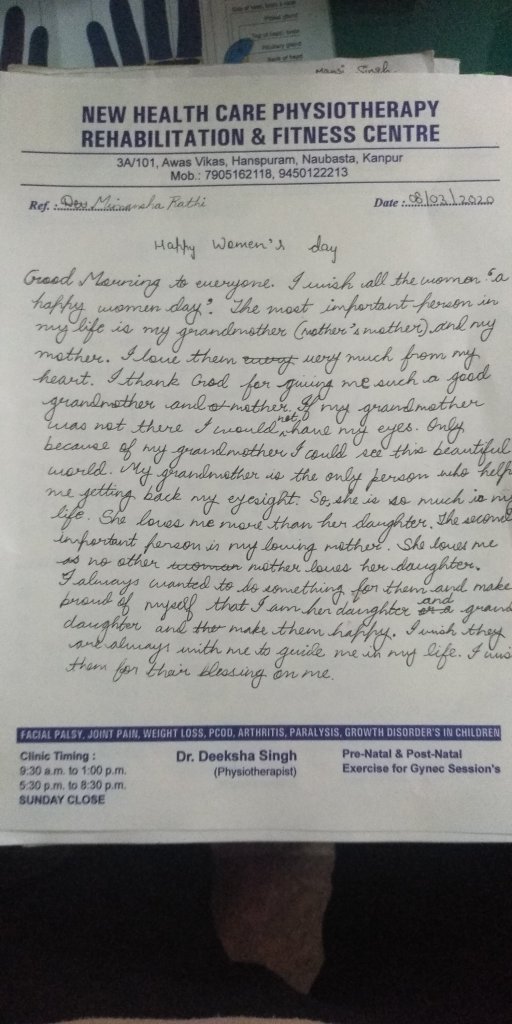
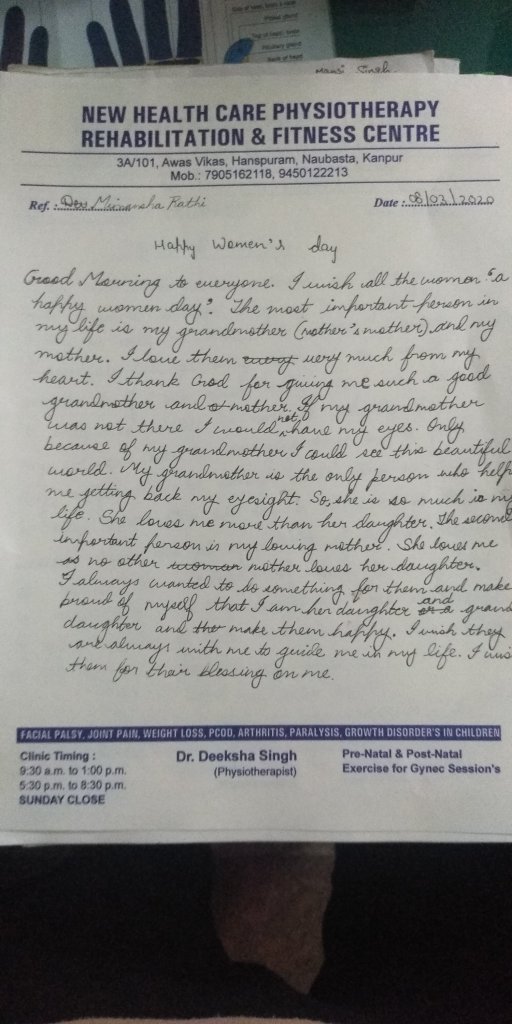
👉These are some postcards and articles on women’s day 8 march from our patients and women’s around me. These cards not only show how happy they feel as a women but how much confidence they have inside them. As a Physiotherapist we have to build their self confidence and remove all barrier from their life to be diseases free.
What Everyone Deserves
Women need the men in their lives to be feminist allies who want to see the women in their lives succeed every bit as much as they want to enjoy their own success. Men should take time to recognize and acknowledge a woman’s strengths and respect her for all that she brings to their relationship. And when it comes to romantic connection, women want the same things men want; they might just want them in a different order.
Happy Women’s Day to all of you ✌️✌️.
Regards Dr Deeksha Singh Women’s Health Physiotherapist Perfect10 Maternity Rehab deeksha66singh@gmail.com
Being diabetic doesn’t mean you stick to tasteless, bland food all your life! check out this article to understand the benefits of a Diabetes diet plan, along with sample meal charts.
What are the Best Foods For Diabetes Control?
This includes,
Fresh fruits and vegetables
Starchy foods like grains, pasta
Protein foods like lentils, eggs, fish, chicken etc.
Low-fat dairy
Healthy oils that cover essential fatty acids
NOTE: Not all fruits are ideal for diabetes. Some of them are high in fruit sugars and carbohydrates. It’s important to check the nutrition facts of fruit before including it in your diet
Avoid these foods:
Sugar-laden foods like soda, canned juices, sweets, desserts
White foods like white rice, white pasta, white bread etc.
Fried foods like chips, pakoras
Processed foods like instant meal packs, packaged snacks, baked goods
Fatty foods like red meat, cheese, butter, full-fat dairy
Alcohol
Natural sweeteners like honey
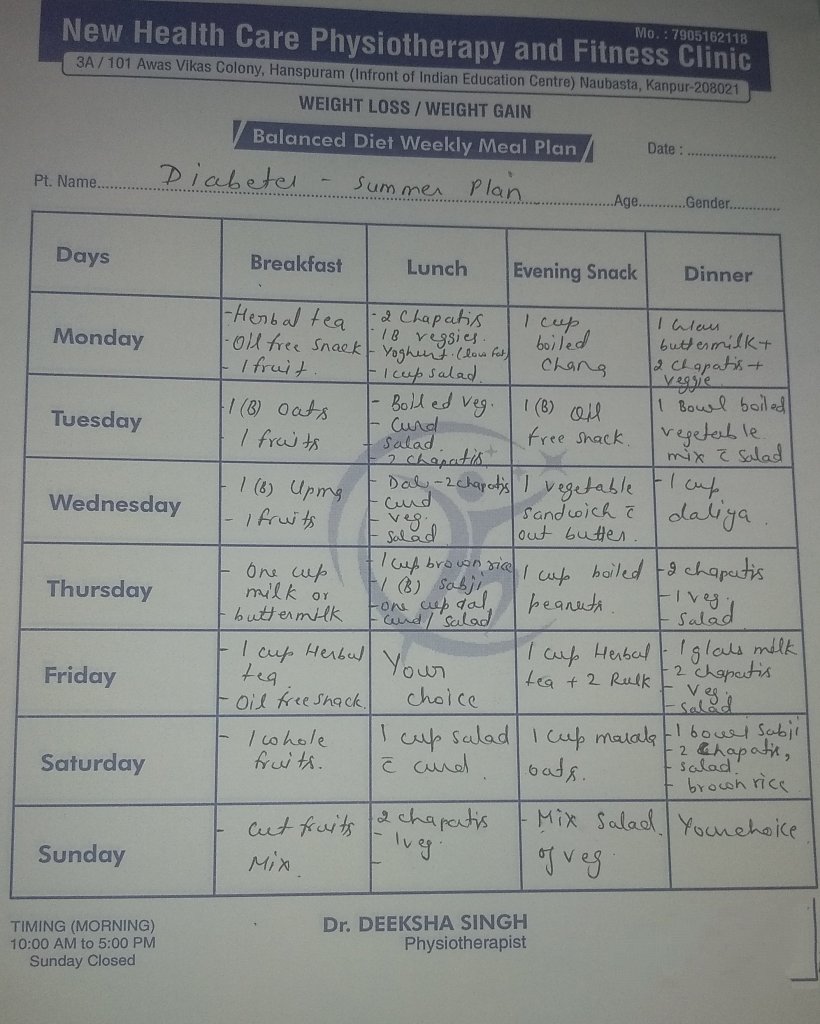
Here is a sample Indian Diabetes diet chart plan for one day to help you get started:
Breakfast:
Start your day with a glass of lukewarm fennel or methi water, green tea
After 30 minutes, you can have
1 Cup Masala Oats Upma/ Wheat Dalia Upma/ 1 Moong Cheela/ 2 Dosa (less oil)
1 Portion boiled vegetables or cut fruits
One Cup Milk, Coffee or Tea with less or no sugar or unsalted buttermilk
Mid Morning Snack:
1 Cup Green Tea/ Herbal Tea
1 Cup Masala Murmura or Oil-free snack
Or 1 whole fruit (orange, apple, pear, guava etc.)
Lunch:
1 Cup Salad
2 Chapatis or 1 Cup Brown rice or 1 Cup Millets
1 Big Bowl Sabzi (cooked in less oil)
One Cup Dal
1 Cup low-fat Yoghurt or Curd
2-3 Pieces of lean meat like Chicken or Fish
Evening Snack:
1 Cup Tea with less or no sugar
1 Cup Boiled Chana or Peanuts
Or 1 Cup BhelPuri
Or 1 Vegetable Sandwich without Cheese or Butter
Dinner:
1 Bowl Vegetable Salad
One Cup Dhaliya Khichdi or 1 Cup Mix veg brown rice pulao or 2 Wheat Phulkas
1 Cup Sabzi with Chicken/Veg/Fish
1 Glass lean Buttermilk
NOTE: This is a generalized plan which must be used as a reference only. You must consult a dietician or a nutritionist to chalk out a meal that that best suits your specific individual needs.
Regards Dr Deeksha Singh OBGYN Therapist Specialised in Weight Loss & Obesity Nutrition. PFM Specialist Perfect10 Maternity Rehab & Physiotherapy Clinic. deeksha66singh@gmail.com
“The doctor of the future will give no medicine but will instruct his patient in the care of the human frame, in diet, and the cause and prevention of disease!”
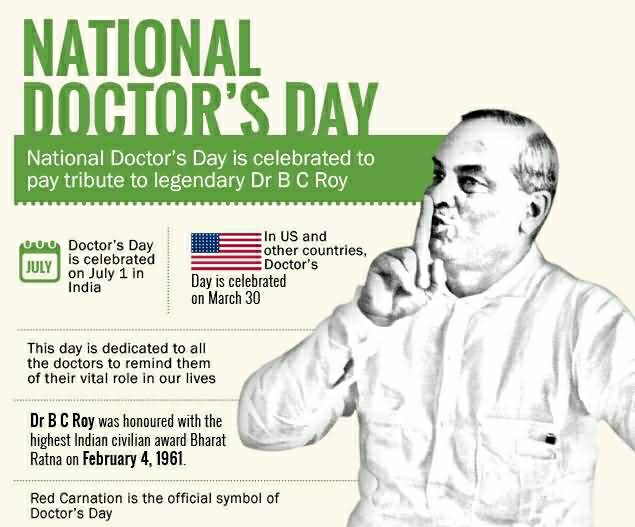
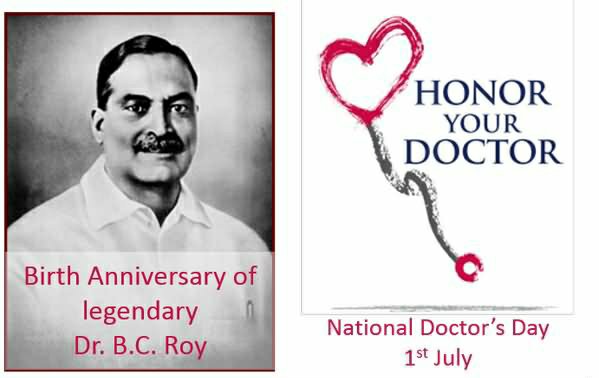
National Doctor’s Day: History National Doctor’s Day is observed to honour the legendary physician and West Bengal’s second Chief Minister, Dr. Bidhan Chandra Roy whose birth and death anniversary coincides on the same day. This day pays tribute to the whole medical profession and to highlight the value of doctors in our lives. In 1991, the National Doctor’s Day was established by the Central Government to pay honour Dr. Bidhan Chandra Roy and is celebrated on 1st July.
Dr.Bidhan Chandra Roy was born on 1 July, 1882 and also died on the same date in 1962. On 4 February, 1961, he was honoured with India’s highest civilian award Bharat Ratna. In different countries, the Doctor’s Day is observed on different dates. Like in the United States it is observed on 30 March, in Cuba on 3rd December and on 23 August in Iran.
Note: First time the Doctor’s Day was observed in March 1933 in the US state of Georgia. This day was celebrated by sending a card to the physicians and placing flowers on the graves of dead doctors.
About Dr. Bidhan Chandra Roy
He was a highly respected physician and a renowned freedom fighter. He was the second Chief Minister of Bengal and remained around 14 years in his post from 1948 until his death in 1962. He is also considered as the great architect of West Bengal. The five cities of West Bengal were also founded by him namely: Durgapur, Bidhannagar, Ashokenagar, Kalyani and Habra. He was also a member of Brahmo Samaj. In the Medical College of Calcutta, he was the alumnus of the University of Calcutta. In his memory, the Union Government had also instituted an award. In 1928, he played an instrumental role in the establishment of the Indian Medical Association (IMA) and also in the establishment of the Medical Council of India (MCI).
National Doctor’s Day 2020: Theme
The theme of National Doctor’s Day 2019 was “Zero tolerance to violence against doctors and clinical establishment”. Every year the theme was announced by the Indian Medical Association. The theme raises awareness about the violence happening with the doctors across India. This year’s theme is not yet announced.
National Doctor’s Day: Celebrations
For several years National Doctor’s Day is celebrated by the Government and non-government healthcare organisations to get familiar with the doctor’s contributions. Healthcare organisations staff organises several events and activities on this day. For grand celebration on Doctor’s Day Rotary Club of the North Calcutta and North East Calcutta Social & Welfare Organization” organises big events annually.
Free medical check-up camps are organised at various health care centers and public places by the health care organisations to promote quality medical services free of cost among the public. Rotational medical services by the doctors are also promoted. Various discussion programs are organised across the country to make people aware of health check-up, prevention, diagnosis, proper treatment of the disease, etc.
General screening test camps are also organised to assess the health status, health counseling, health nutrition talks and chronic disease awareness among poor people and senior citizens.
Various activities are also organised to make people aware of the priceless roles of doctors in everyone’s lives like a free blood test, random blood sugar test, ECG, EEG, blood pressure check-up and etc.
Several activities at schools and college levels are also organised to encourage youth to choose and dedicatedly follow the medical profession.
Therefore, National Doctor’s Day is observed every year on 1 July to honour Dr. Bidhan Chandra Roy and his contributions. Also, this day reminds us to thank our doctors in providing us with selfless service and health care.
It’s the best time ever to be a doctor because you can heal and treat conditions that were untreatable even a few years ago.


 Dr Deeksha Singh